
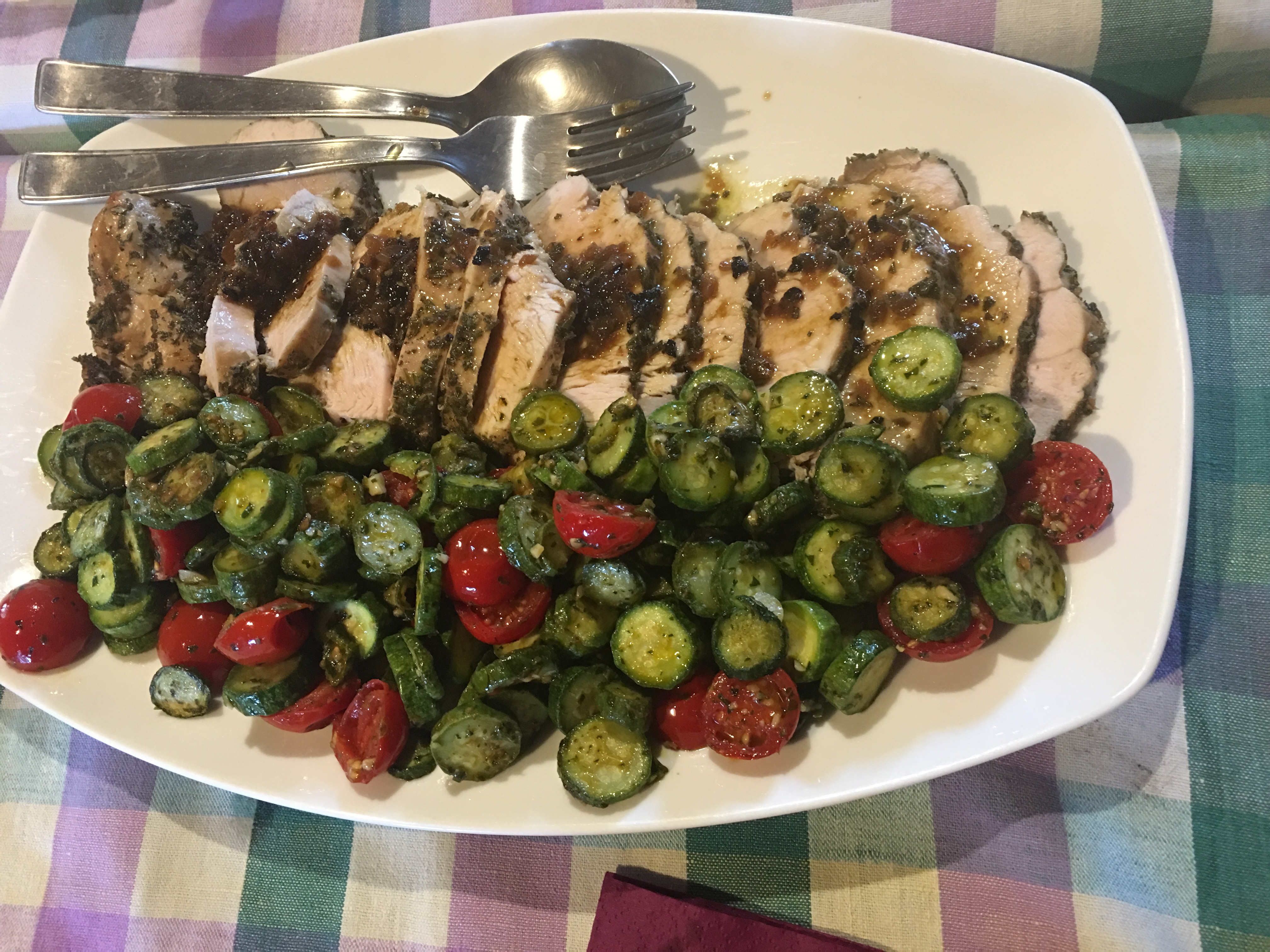
On average, every year an Italian eats more than 20 kilograms (700 ounces) of poultry meat (chickens, hens, turkeys, guinea fowl, ducks) and in this context the annual consumption of turkey meat is more than five kilograms (175 ounces). It is important to point out that this is exclusively of farmed turkey. Turkey in Italian cuisine is mainly used to prepare kebabs, on the grill or on the griddle or for pan-fried scallops. The boneless roast turkey rolled up and cooked in a pan or in the oven is the mostly appreciated.
Here are some of the recipes we have already presented.
Turkey rolled in Herbs and Roasted in a pan link here
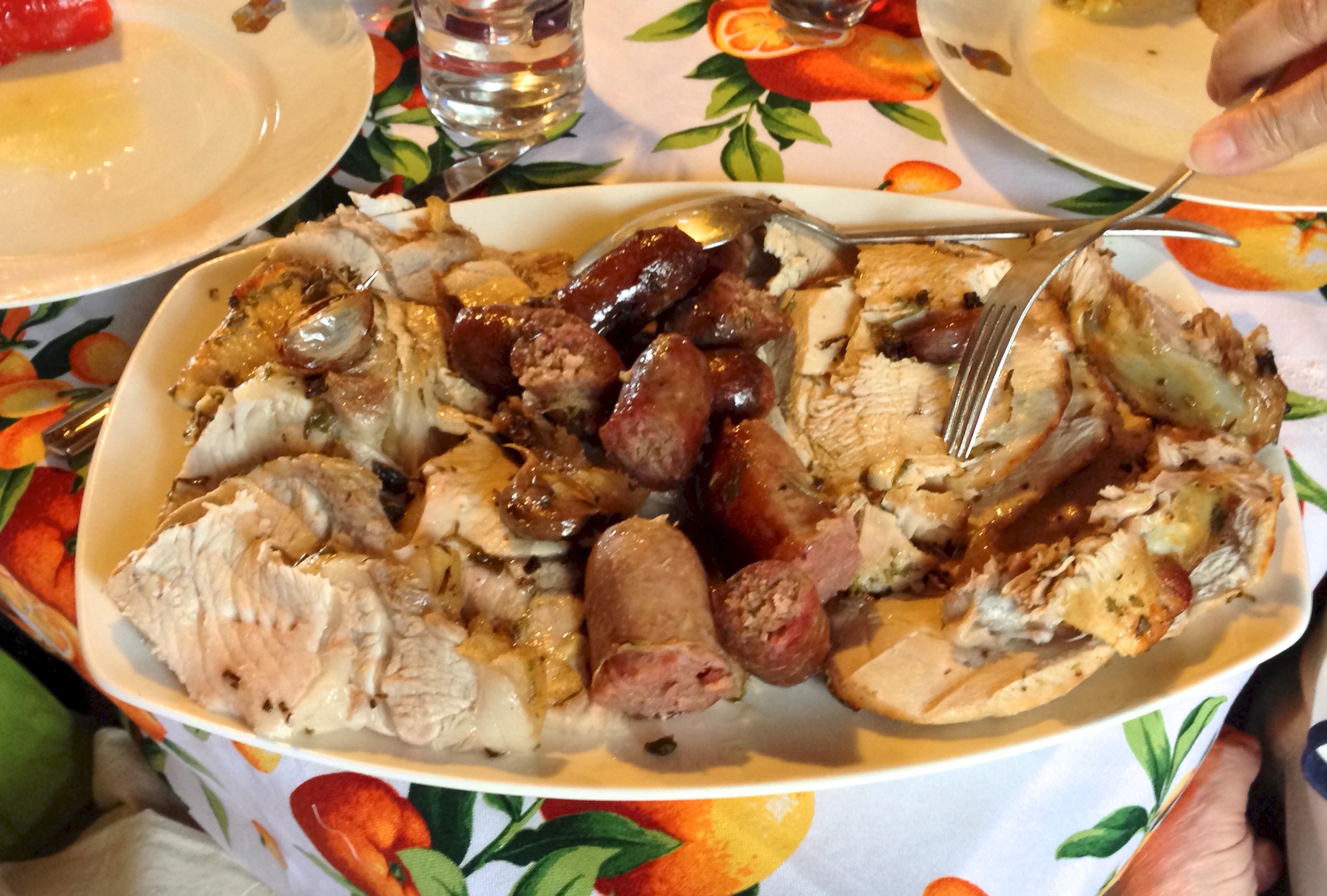
Turkey traditionally baked in the oven link here
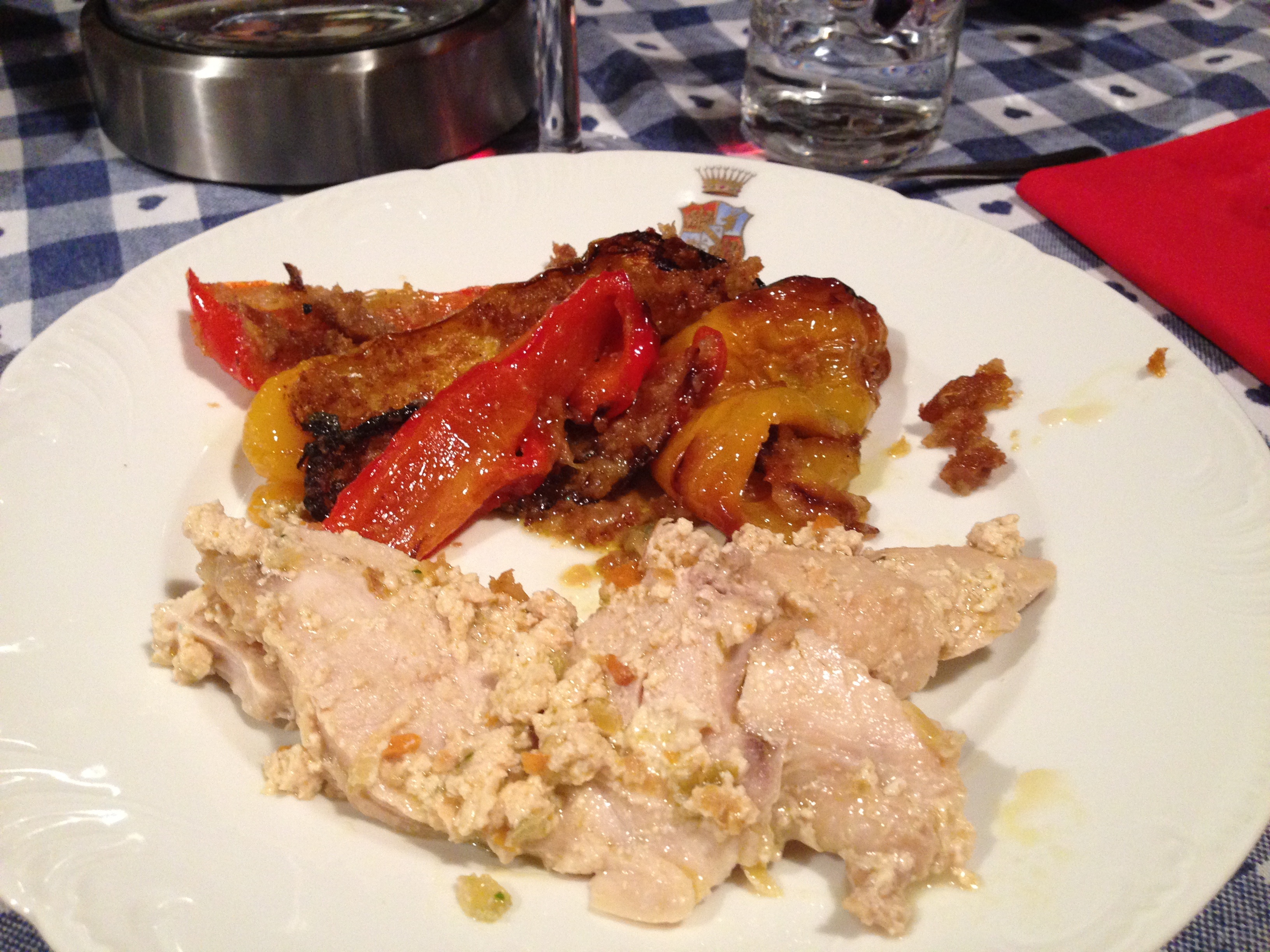
Turkey Cooked in Milk on the Stove link here
Traditional turkey cuisine was linked to that of the peacock, especially to that of other European wild and semi-domestic birds and refers to the classic roast turkey.
Long History of the Turkey
The turkey (Meleagris gallopavo) is native to North America, and was also domesticated in Mexico
Christopher Columbus was probably the first European to know the turkey when, landing on the coasts of present-day Honduras, he received some foods from the natives, including what he called gallinas de la tierra. On the other hand, it is not certain that Christopher Columbus was the first European to know the turkey.
In any case, it is established that between 1511 and 1512 the turkey was undoubtedly brought to Spain.
Imported from America to Spain, from here the turkey quickly spread throughout Europe.
In Italy the new animal was first called guinea cock, but also dindi, dindio and dindo, and later turkey. In all likelihood this name derives from the animal’s cry, especially the characteristic “tock, tock” call of the turkey that leads her small turkeys.
In the mid-17th century the turkey had already fully entered the great Italian cuisine, supplanting and surpassing the peacock.
The turkey was brought back by Europeans to North America in the 16th century and has been there ever since an intense hybridization between the domestic turkeys that the settlers had brought from Europe and the wild ones
Turkey is Healthy
If turkey meat has a particularity, both in the breast and in the thigh, it is not so much that of having a limited cholesterol content, but that of having a quantity of phospholipids ten times higher( very important for the effects of the production of good cholesterol, or HDL, in the blood). Obviously, this precious characteristic must not be ruined by cooking adding saturated fats. A lean, high-protein meat, rich in minerals and vitamins, lends itself perfectly to one.
Healthy and balanced diet.A versatile meat to be used in many ways.
However, it is good to specify a little attention to be paid when cooking this meat:turkey, as well as chicken and poultry in general, is a meat that carries bacteria
It is therefore good to observe some precautions, such as not rinsing the meat in the sink and cook the meat well done. For this reason, in fact, unlike red meat, it should never be consumed raw or rare, it is preferable that it is well cooked.
Black or White Meat
The turkey, originally wild, in the wild has darker meats, such as game (black meat). Bred instead, it becomes very clear and takes on all the characteristics of captive poultry.Farmed turkey is a white meat that falls into the first fundamental group of foods, as a nutritional source of proteins with high biological value, vitamins and specific minerals.
Turkey and Drowsiness
Some people believe that large portions of turkey can cause severe drowsiness, justified by the high percentage of the amino acid tryptophan. There is no scientific confirmation. Turkey is certainly not the only food rich in this nutrient. However, it is logical to deduce that, being a traditional product, it is always the protagonist of large meals on holidays. Theoretically in an atmosphere of deep relaxation, turkey meat is always accompanied by foods rich in carbohydrates and fats, which hinder digestion, and by generous portions of drinks.
So, for the friends who will be celebrating Thanksgiving, enjoy your turkey without any worry.
 Toscana Mia Blog
This was a delightful write up. I didn’t know about turkey causing drowsiness. I’m going to look at your recipe of turkey cooked in milk. I’ve never cooked meat in milk; however, I had a girlfriend from Rome, she cooked roasts in milk all the time.
LikeLike
So glad to hear you liked our post. Thank you
LikeLiked by 1 person