
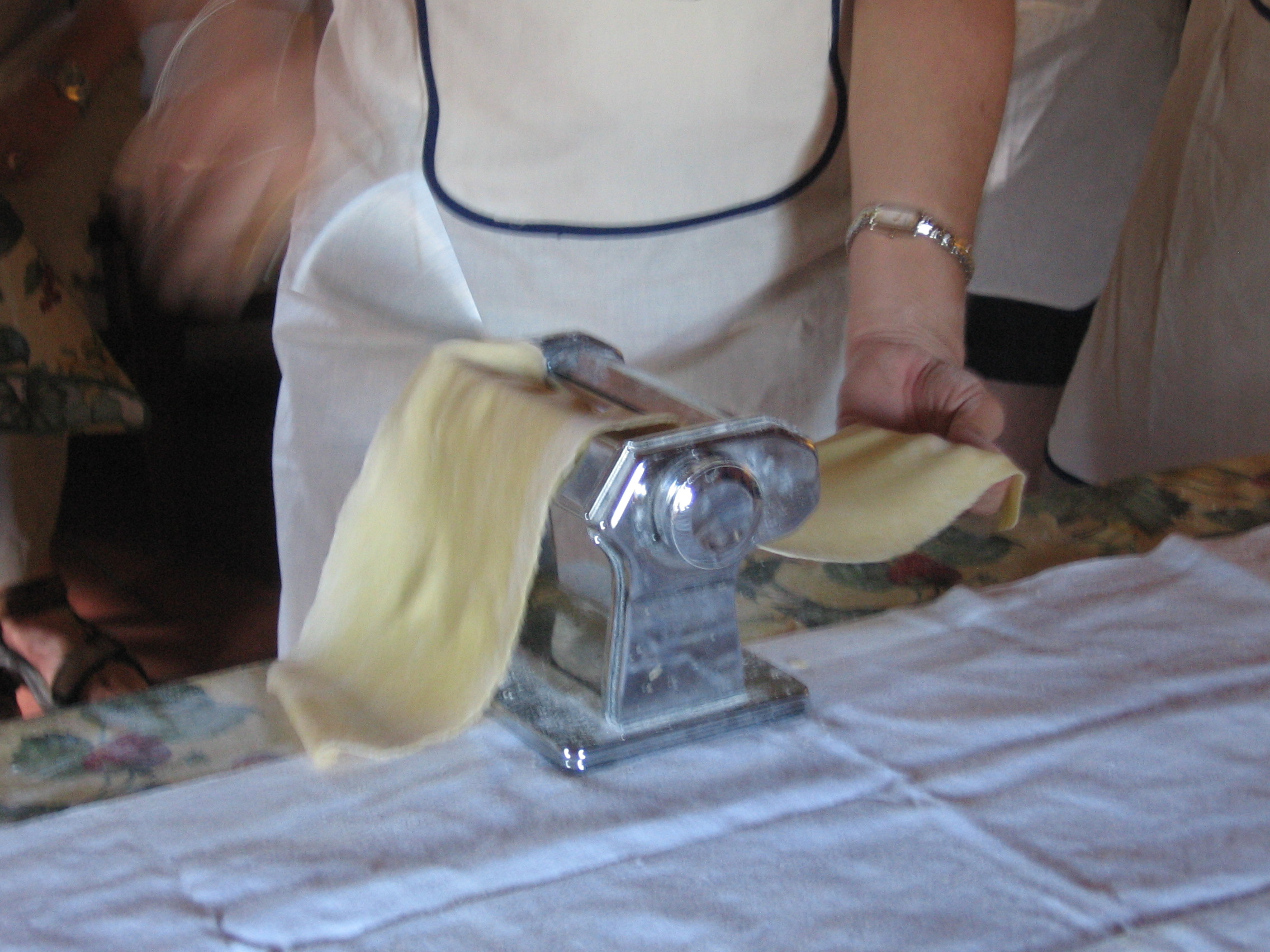
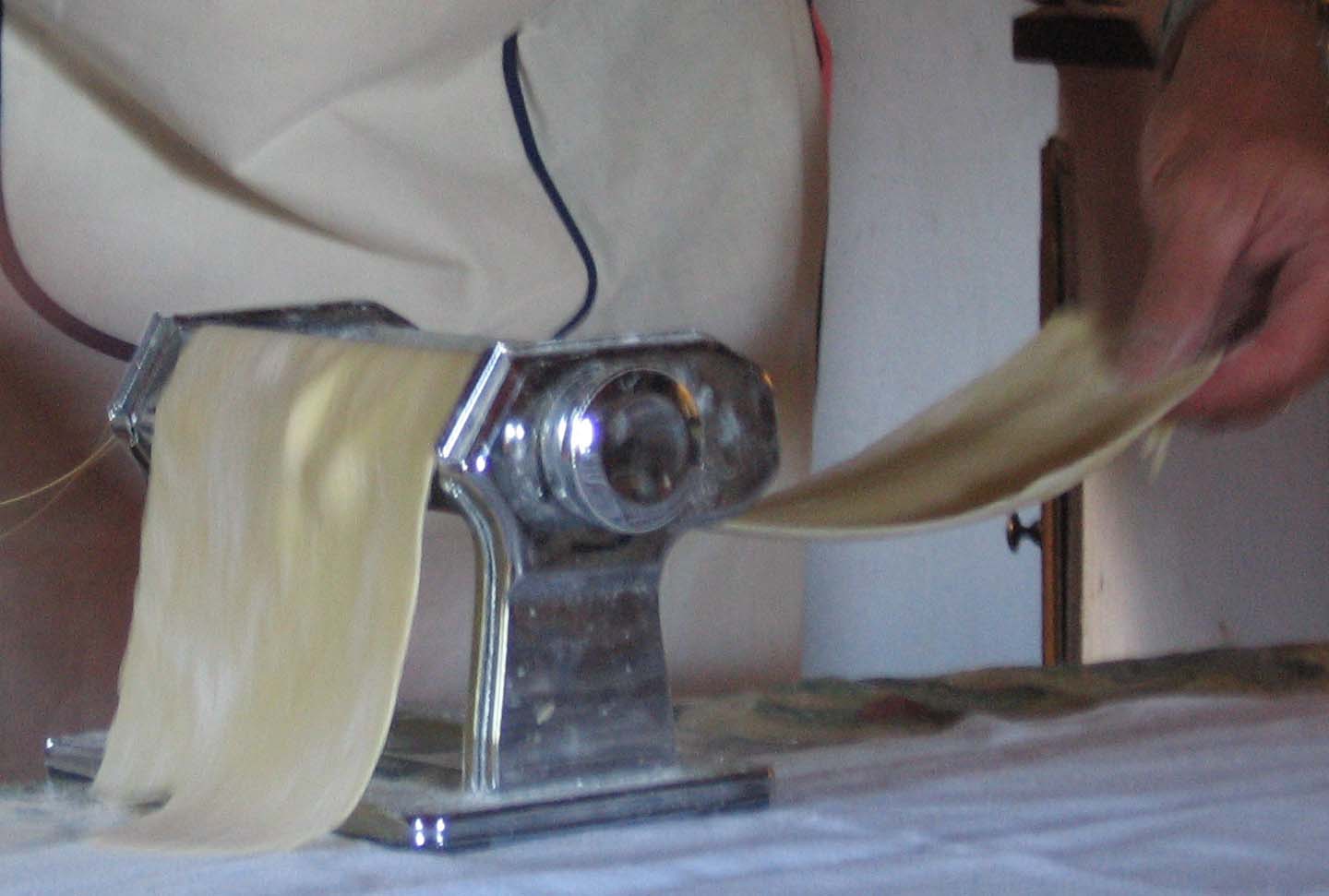

Finally you have decided to use the pasta machine. Certainly, you can make fresh pasta with just a rolling pin but with the pasta machine you can at least give a final touch of precision.
The dough will come out smooth, precise beautiful and you can cut in the preferred shape.
But suddenly a problem. You begin to wonder if you have done everything wrong, if the dough was wrong, the ingredients put in the wrong order: none of this, many factors can affect our dough, but nothing is irreversible
Let’s see the most common problems you may encounter:

1)The dough has so many irregular hard spots here and there.
What happened: you left the dough too long without covering it and it dried a little bit.
What to do now: Let’s proceed rolling it out with the rolling pin.

2)The dough breaks a lot on the sides.
What happened : the dough was not thin enough for the setting you fixed on the machine(I mean the numbers on the side that regulates the thin of the dough)
What to do: Go back to the less thin setting and try again

3)The dough comes out well and thin out the machine but there is a long cut in the middle or on one side.
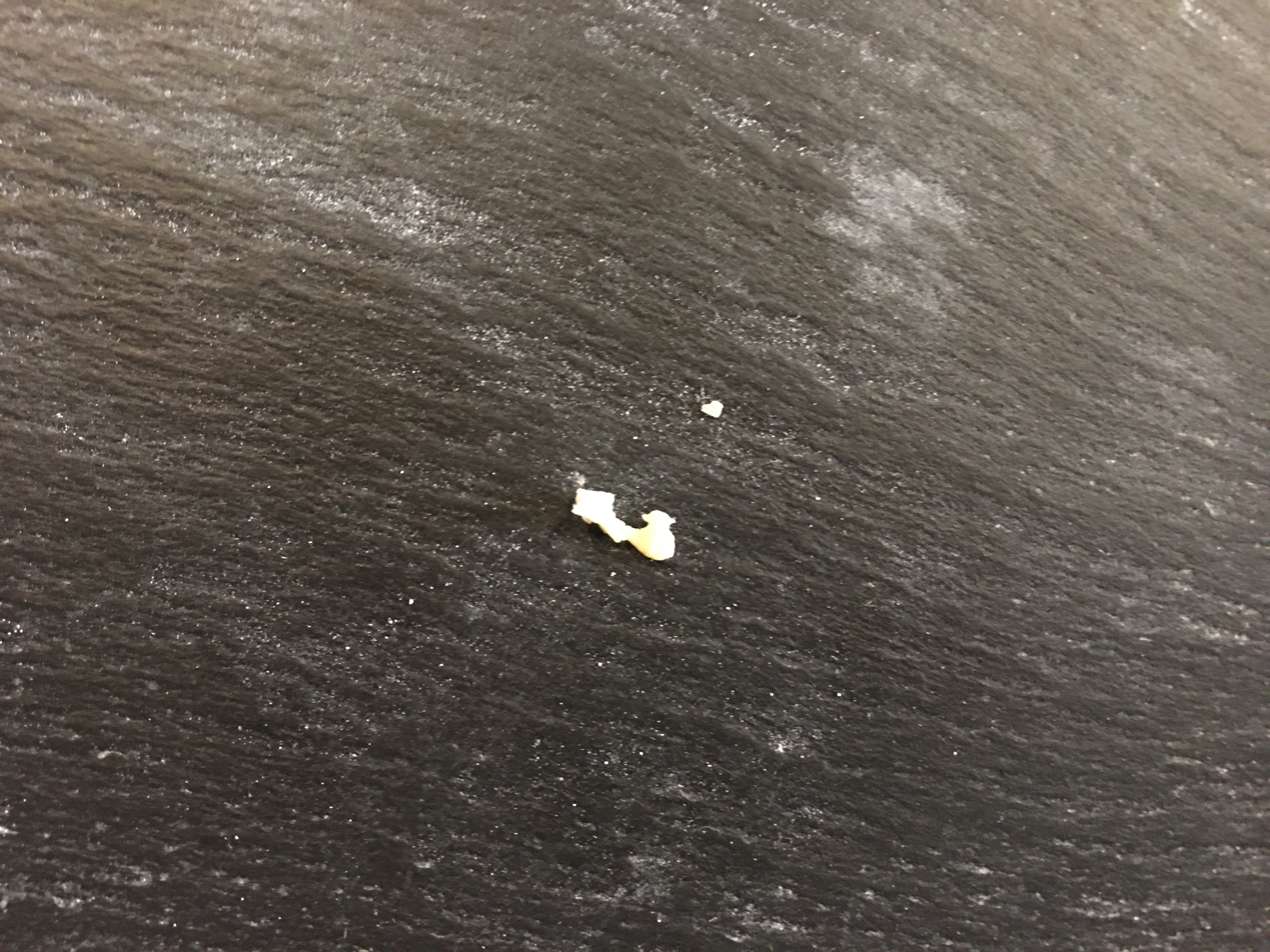
What happened: there is a small piece of dough in the machine. With the brush you can clean
What to do: problem solved but next time when using some extra flour on the table to knead the dough use always new flour, out of the package.
This is an example how small a piece of dough can be and damage your pasta
How to clean the pasta machine
DON’T WASH IT !!!
The easiest way to clean the pasta machine is to leave it several hours on the table until the dough is dry. When the dough is completely dry, beat it on the kitchen countertop. ( do not damage the countertop, be delicate) The dough will come off on its own.
First you remove all the residues of flour and dough, you can help yourself with a kitchen skewer and an old brush with not too soft bristles
Remove the residues from the rollers. Insert the knob, turn it and gradually with the brush remove all the flour. Do this procedure more times, so you achieve a perfect cleaning of the pasta machine.
Rotate the machine and clean the rollers even from behind, insist on finishing and joints, where flour residues are deposited the most.
Clean well again with the brush and remove the residues, slightly beating the dough machine on top of the table.
And now make more pasta. Please, get in touch if you have any question about the pasta machine.

 Toscana Mia Blog
When my pasta is the width of the machine and I am rolling it for the last time it seems to get stuck at one side. One side is nice and straight the other ok all sprinkled at the top. Is it me not using machine correct or is it my the pasta ..
LikeLike
It sounds more that the machine is dirty.Use a small brush and check underneath if there are pasta pieces left.
LikeLike
When cutting my pasta in the pasta machine it rolls up on the cutter, What am I doing wrong?
LikeLike
Don’t worry 90% of the problems with the pasta machine are usually when cutting ,that’s why we suggest to slice by knife .Anyway to be more helpful, which pasta machine do you use ?
LikeLike
When I try to make spaghetti, I always have the same problem, the strands are always sticking together per two. No problems with the tagliatelle cutters, only with the spaghetti cutters.
This is how I make my dough: 100 grams of 00 flour plus one egg (60 grams) per person. Mix in a volcano, knead well, cover with plastic wrapping and leave for a few hours in the fridge. Then cut in a few large chunks, cover with flower, roll with a pin until the sheet passes #1 of my rolling machine. Next #2, #3 and now fold to get a nice rectangular shape. Number #1 again, then 2, 3…9. Then I put this sheet on a flowered table and roll it out a little further with a pin (my family prefer very thin pasta). Next: cutting. And as explained: tagliatelle: no problemo, spaghetti: the strands always stick together per two.
Please help, what do I do wrong? 😊
LikeLike
Buongiorno Giovanni,it’s great to hear you have such a passion for pasta. You make everything perfect to prepare what we call fresh pasta: tagliatelle, ravioli, fettuccine, tortellini and so on. In the recipe you use we would add also a tbs. EVOO and a pinch of salt. Spaghetti problem is natural as spaghetti are not a fresh but a dry pasta and it’s completely done with semolina and water and it’s very difficult to dry it properly at home. Of course it sticks easily when using the pasta machine cutter, especially if very thin. It’s unfair of some pasta machine producers to write spaghetti on the box. the only spaghetti we prepare at home are spaghetti alla chitarra/guitar spaghetti.If you would like very thin pasta, less wide than tagliatelle we would suggest you not to use the machine cutter but cutting by hand. When you have rolled out a strip of pasta, roll it on itself without tightening too much and then cut along the shortest side in the width you prefer. Tell us if it is clear otherwise we will organize a blog with photos .😃
LikeLike
Ciao Simo and Paola,
Thanks for your comments! Will have a look how to make spaghetti with semolina and water now…
On the other hand, after having posted my previous question, I had the good idea to search YouTube for similar problems. And yes, after rolling the dough with the rolling machine and in a second step with the pin, the dough sheets should now be left to “dry” for 1/2 – 3/4 hour. This will make them less stickier, and this would prevent the strands from sticking together.
LikeLike
Waw, you’re studying seriously.Actually in Winter we leave the pasta sheets to dry for ca. 15 minutes ,in Summer no as they become hard easily.It depends very much which is the temperature in your home.If you’re in doubt ,let them dry for 5/10 minutes and if still wet sprinkle some flour on them.
LikeLike