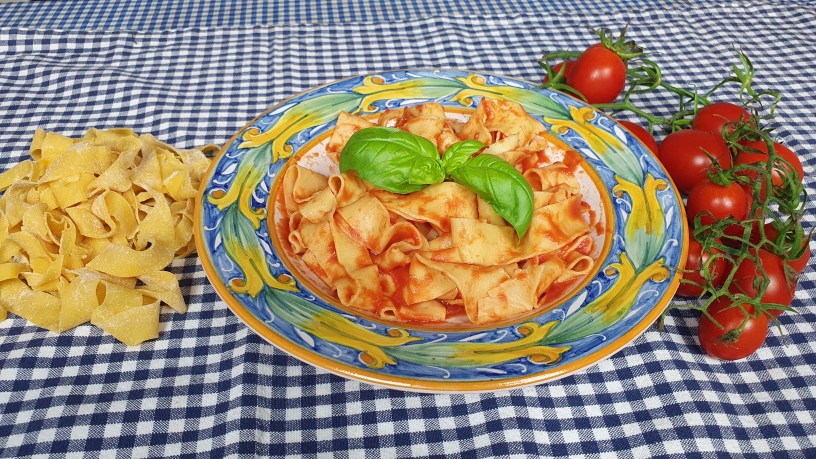
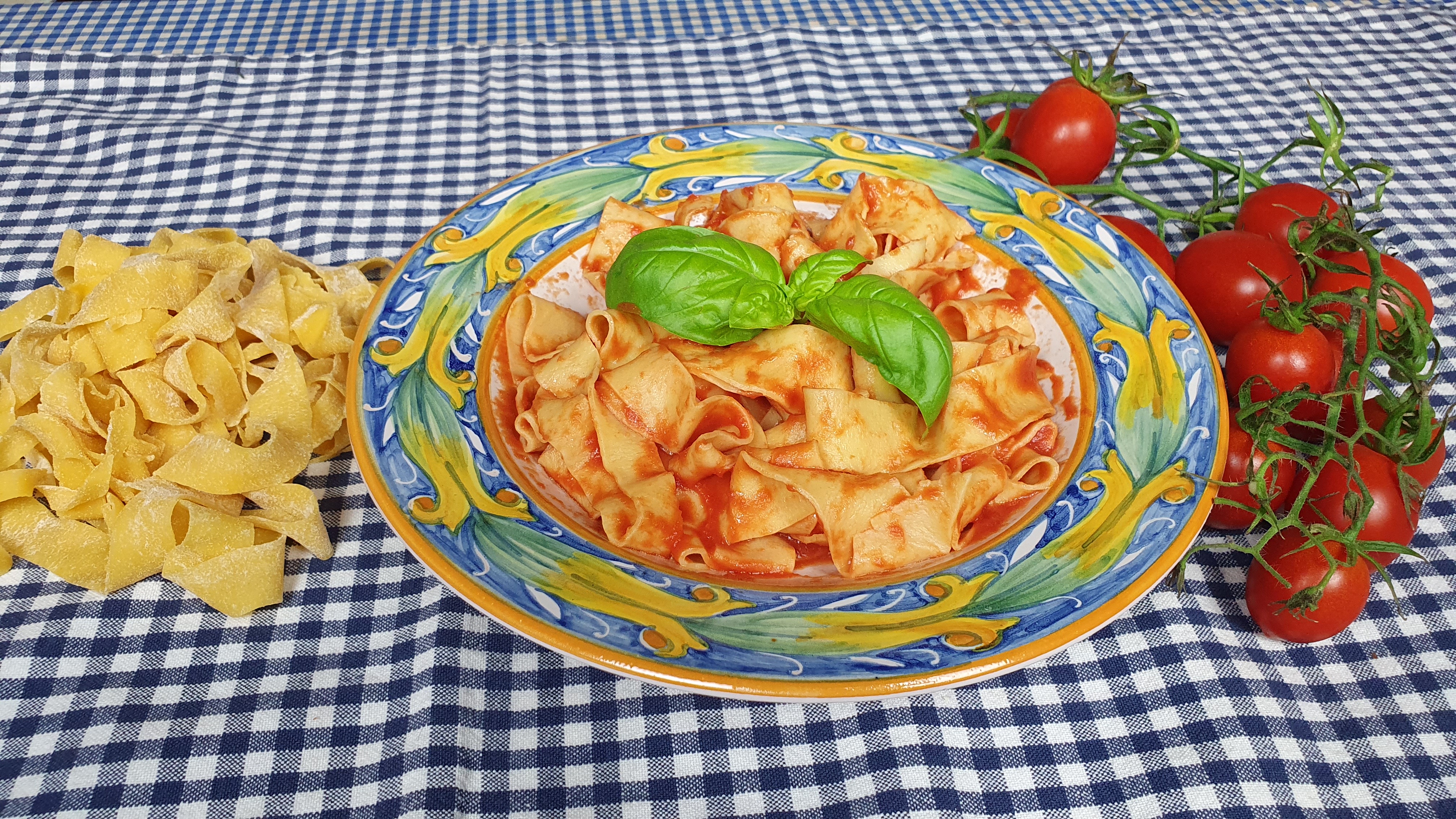
History
The origins of pasta, a real specialty of our country, are inextricably linked to the tradition of cultivation of wheat practiced before the Roman Empire
There are written but also painted documents that demonstrate that.
In 1,000 BC, Greeks and Etruscans created the first types of pasta.
A few centuries later, pasta makers began to spread into different areas of Italy, in regions where the dry and windy climate ensure perfect drying
The invention of the kneader, the press and the die favored the lowering of the price, making pasta even more popular
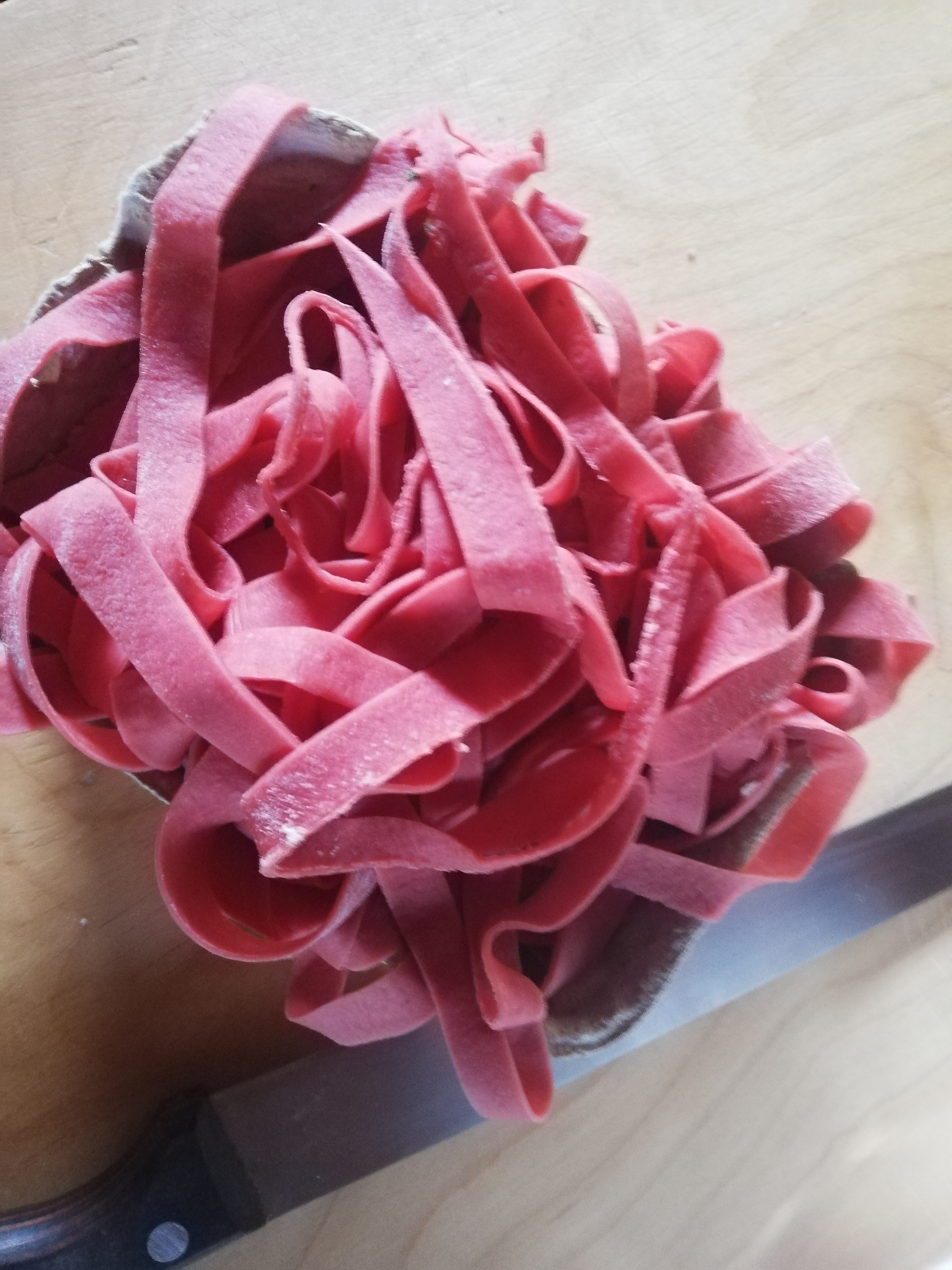
How many pastas?
Pastas are divided into two broad categories:
dried (pasta secca) and fresh (pasta fresca).
Most dried pasta is produced commercially via an extrusion process, although it can be produced at home.
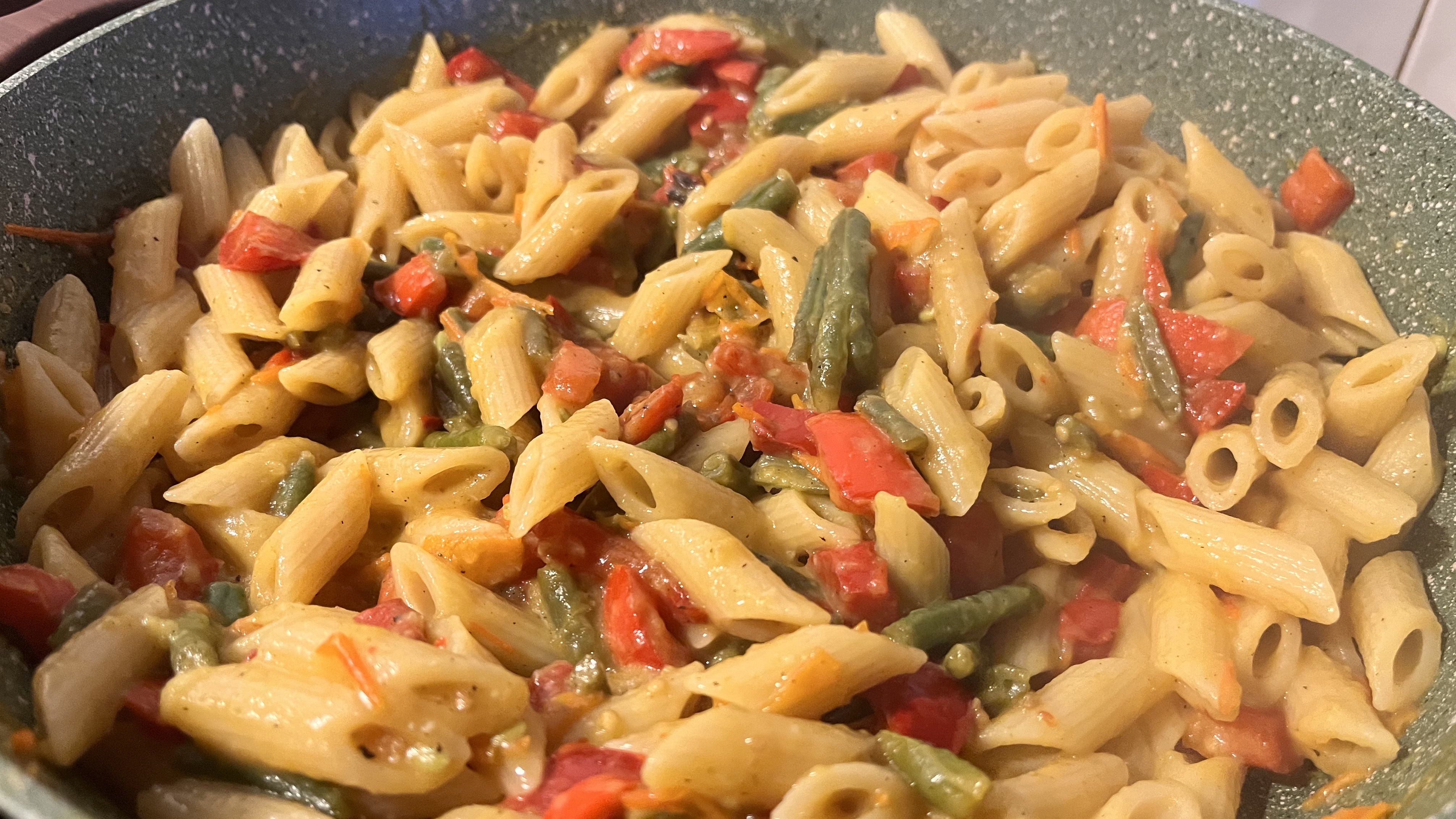

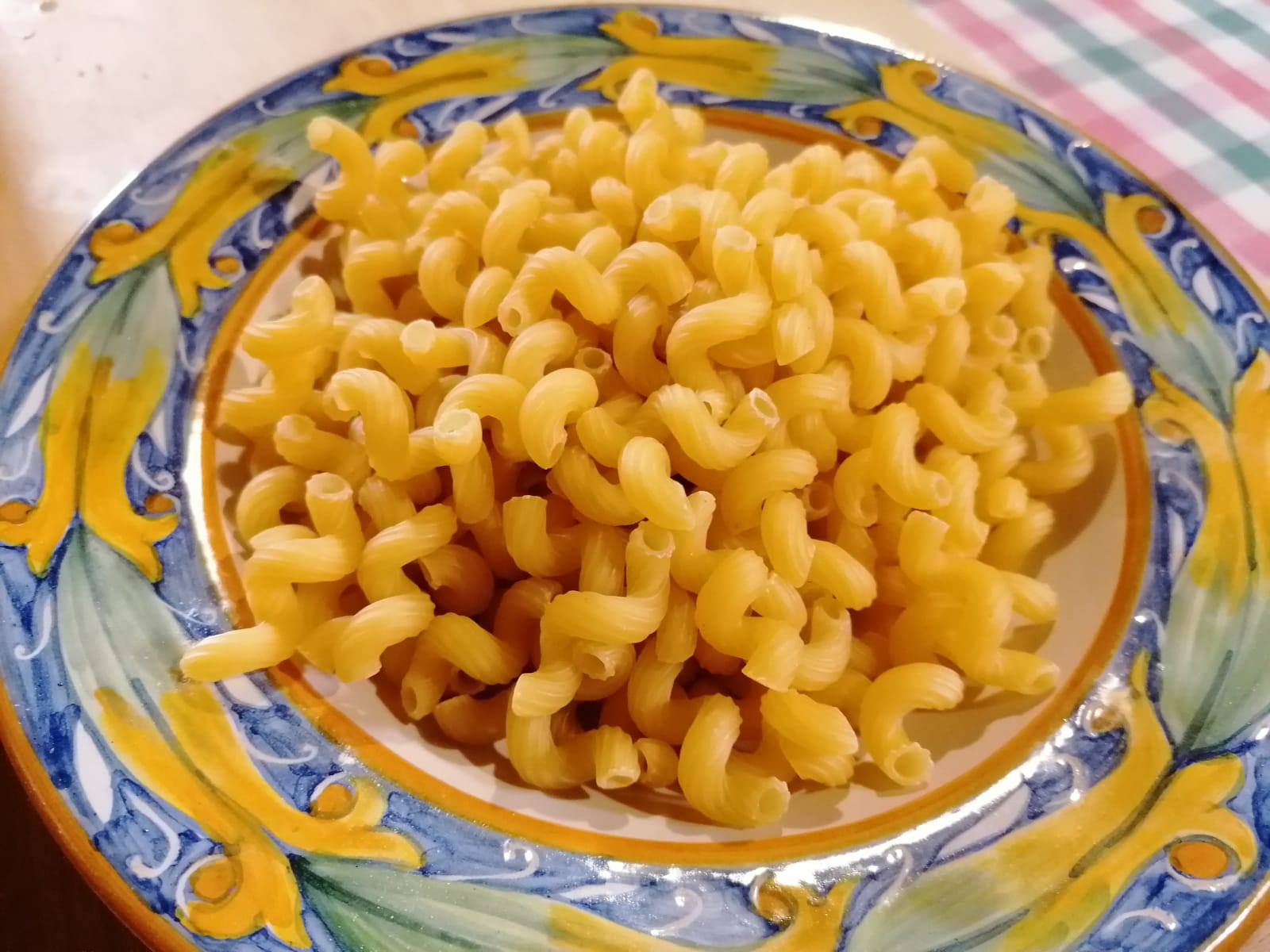
Fresh pasta is traditionally produced by hand, sometimes with the aid of simple machines. It can be produced using eggs and flour or just semolina and water. And these are the pastas we like to make at Toscana Mia Cooking School


Fresh pastas are also available in grocery stores ,produced commercially by large-scale machines.
Both dried and fresh pastas come in a number of shapes and varieties, with 310 specific forms known by over 1,300 documented names.
Basic pasta dough has been made mostly of wheat flour or semolina, with durum wheat used predominantly in the South of Italy and soft wheat in the North. Other grains have been used, including those from barley, buckwheat, rye, rice, and maize, as well as chestnut and chickpea flours.
In Italian cuisine, both fresh and dried pastas are classically used for
*Pasta asciutta (or pastasciutta), pasta cooked in boiling salted water, plated and served with a complementary sauce
*Pasta in brodo, in which the pasta is part of a soup-type dish.

*Pasta al forno, in which the pasta is incorporated into a dish that is subsequently baked in the oven.
Pasta is generally served with some type of sauce; the sauce and the type of pasta are usually matched based on consistency and ease of eating.
Curiosities in the World of pasta
- The idea that spaghetti was imported by Marco Polo from China to Italy is completely false, as demonstrated by various historical factors
- The fork was brought by Catherine de’Medici to France specifically to eat pasta, a dish that was successful among the upper classes
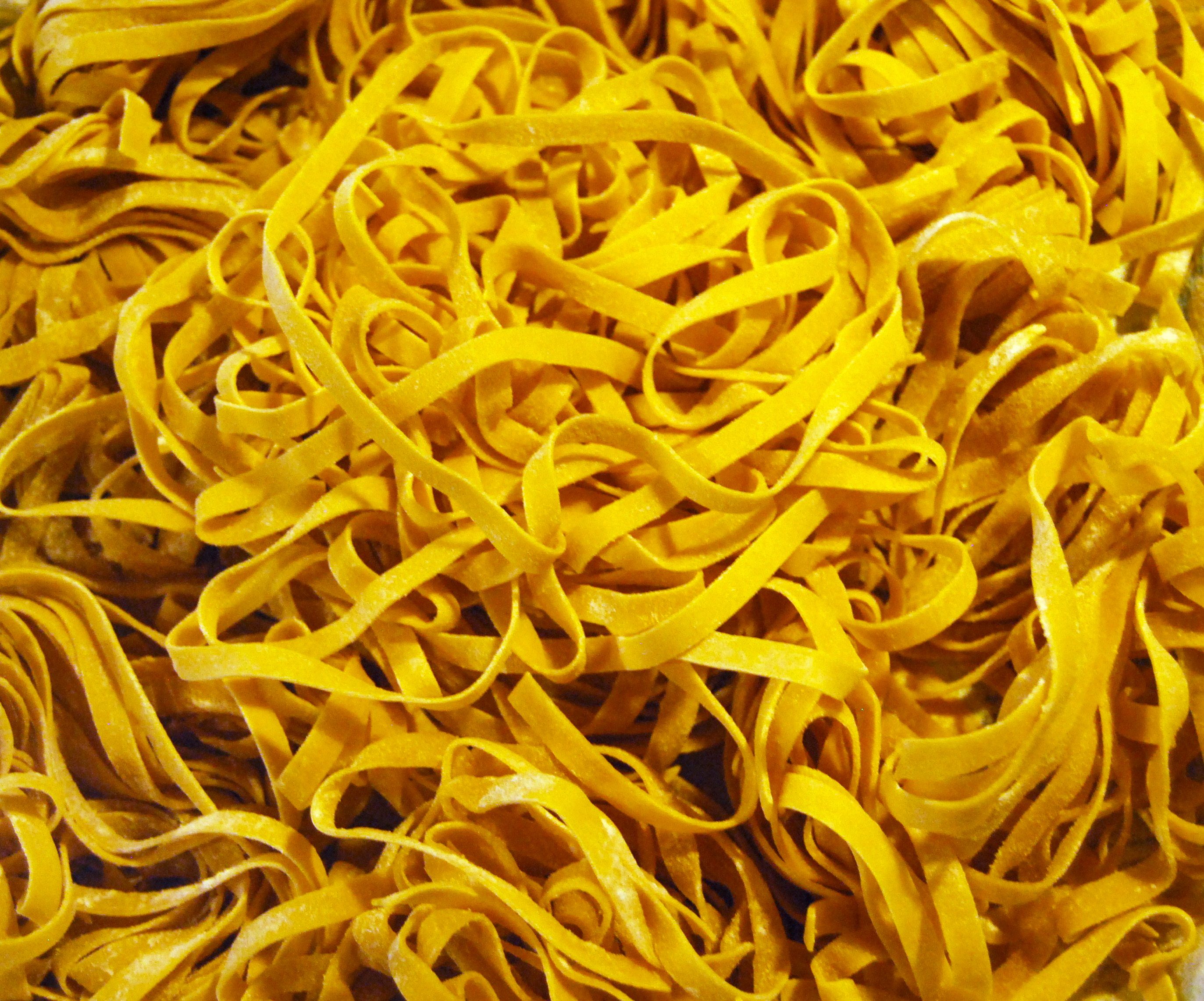

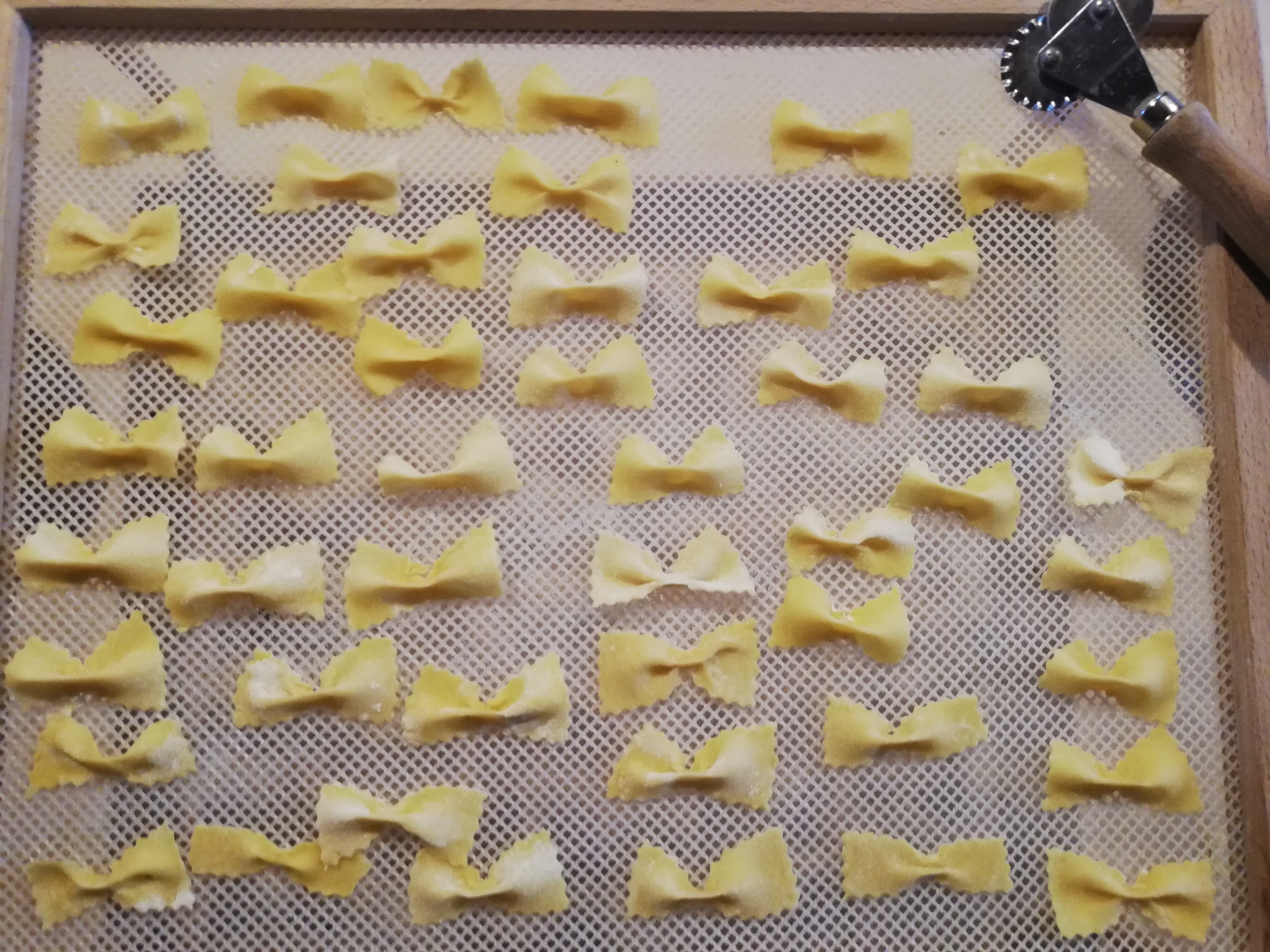
Italians and Pasta
Pasta is considered by the Italian people, as well as a food, an element of union, it is such an important part of life, of popular culture
It is not just Italian cuisine, but the essence of Italians.
In Italy, dried pasta is obtained through a particular Italian technique of extrusion through bronze dies, from the lamination and subsequent drying of doughs prepared exclusively with semolina or durum wheat semolina and water.
Every year around 3.3 million tonnes of pasta are produced in Italy
Italians love pasta.
72% of Italians prefer the Mediterranean diet, above all thanks to the presence of pasta, a food that 90% of those interviewed consider healthy and tasty. For almost half of Italians, giving up pasta would not be possible even on a diet.
The most requested dry pastas are spaghetti, penne, fusilli, rigatoni
On the other hand, nutritionists also say it: for a balanced diet, you need to consume between 45 and 60% carbohydrates, yes pasta every day.
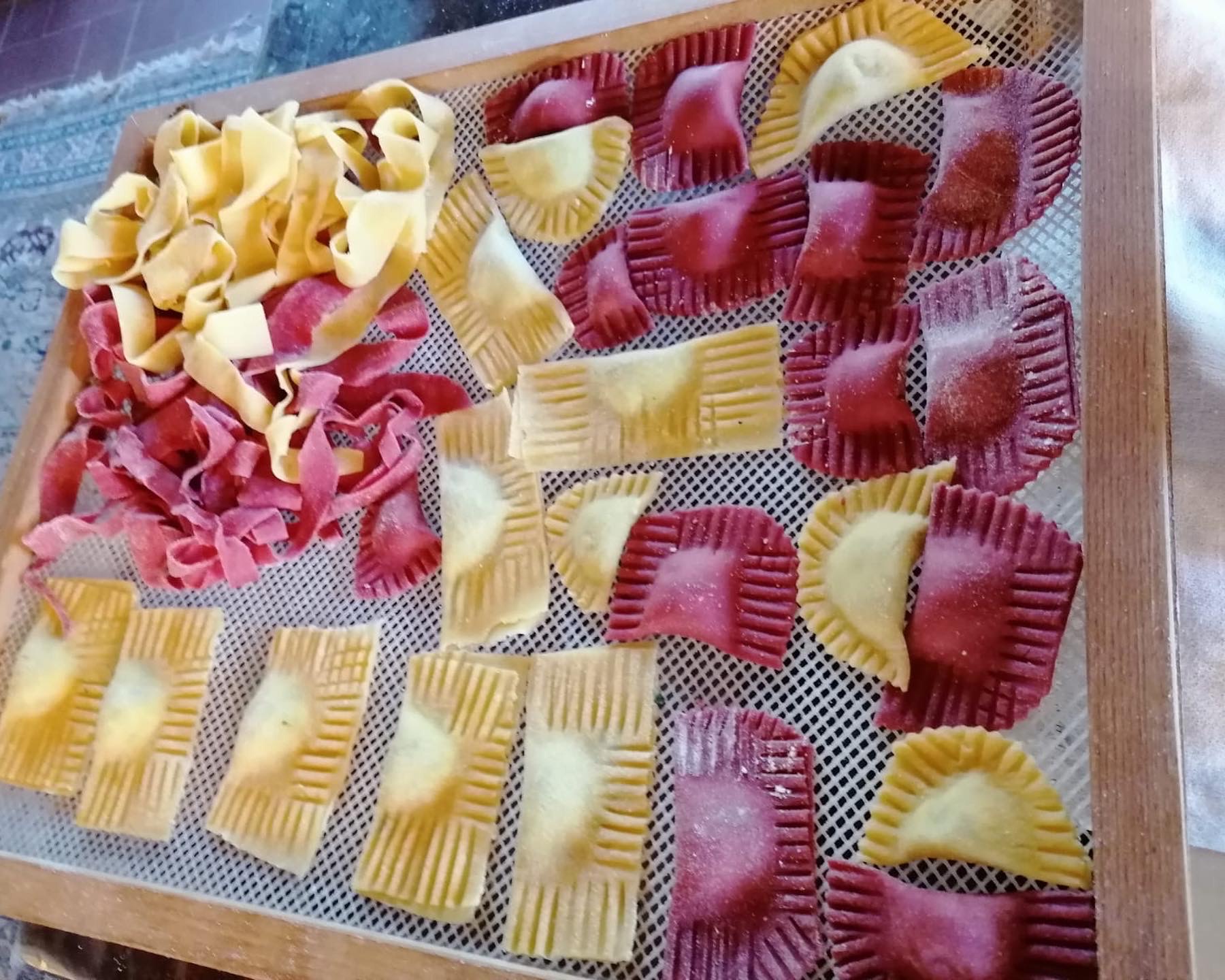

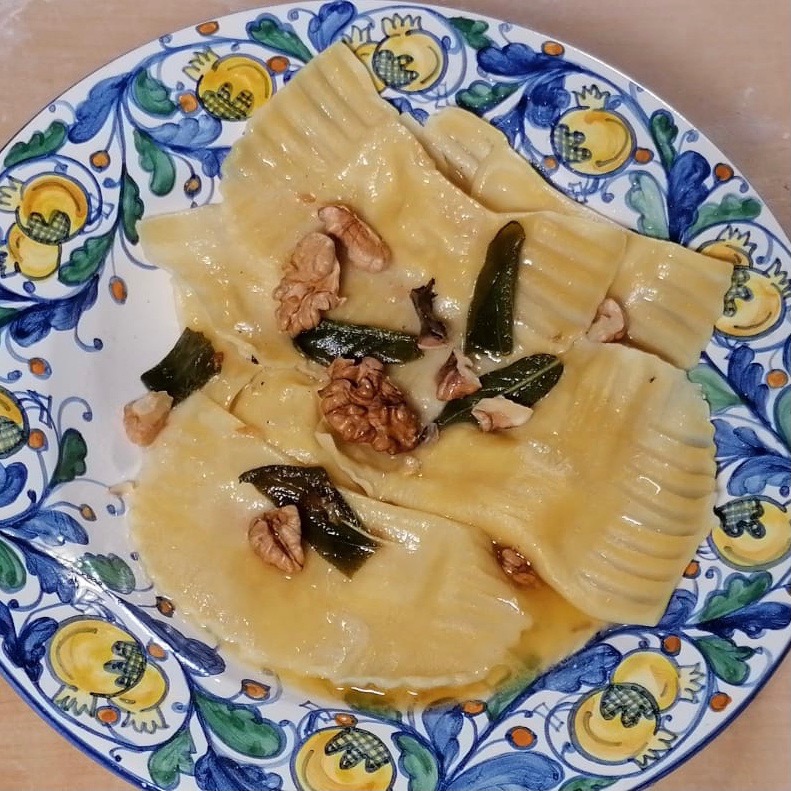
Pasta is good for the body and soul.
It’s not just good, pasta is also healthy. If consumed in the right quantities it is not a food that causes weight gain, indeed, specialists are increasingly in agreement in reiterating that carbohydrates are disposed of very quickly by our body as they are transformed into energy. Eating pasta offers our body notable health benefits, for example if consumed in the evening it promotes nighttime relaxation of the mind and body, it is useful in case of insomnia – thanks to the presence of tryptophan and vitamin B. It can contribute to a good mood and the reason is all in the brain.
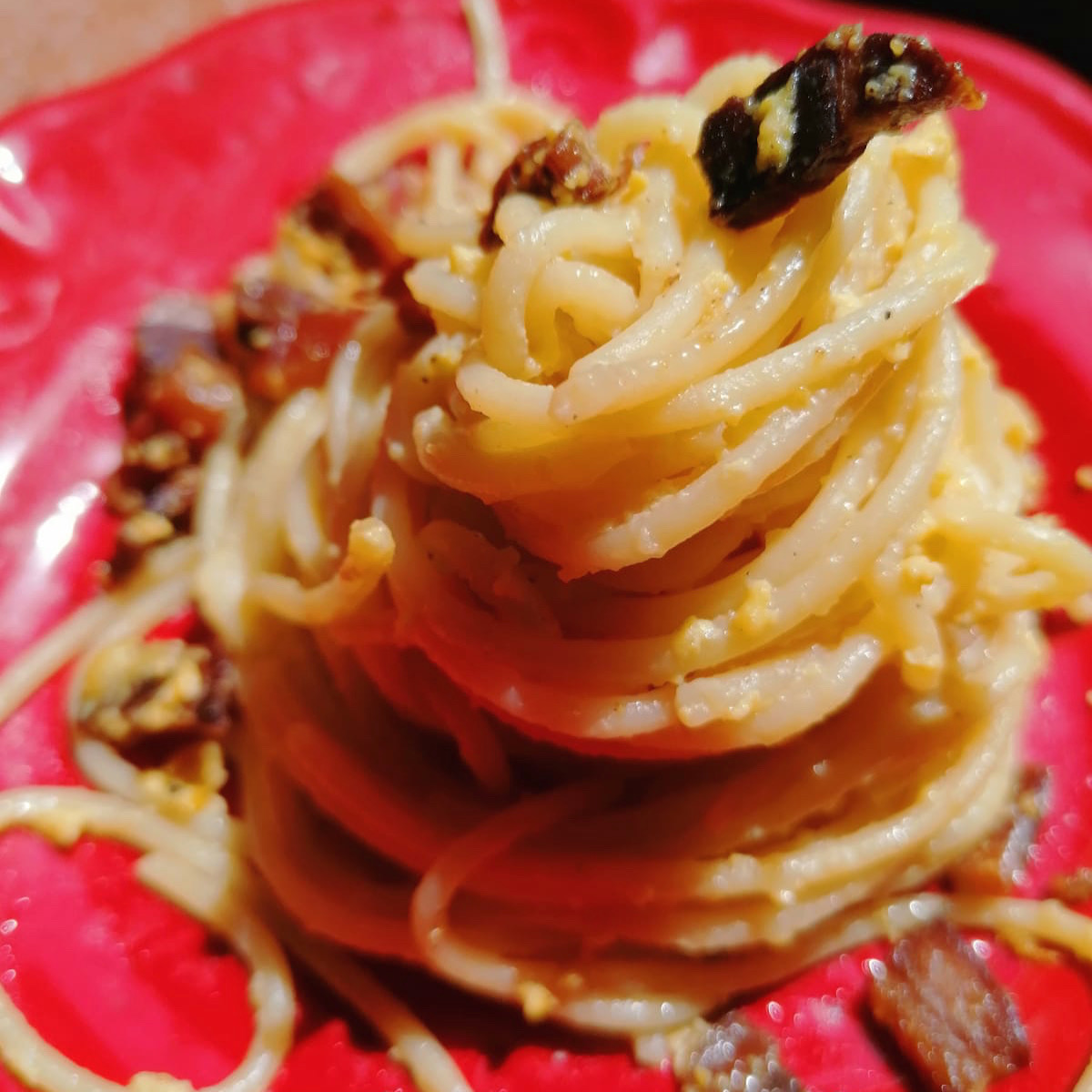
A good plate of pasta is not only the king of the table and a gratification for the palate, but also a food that stimulates endorphins, also called the “hormones of happiness”.
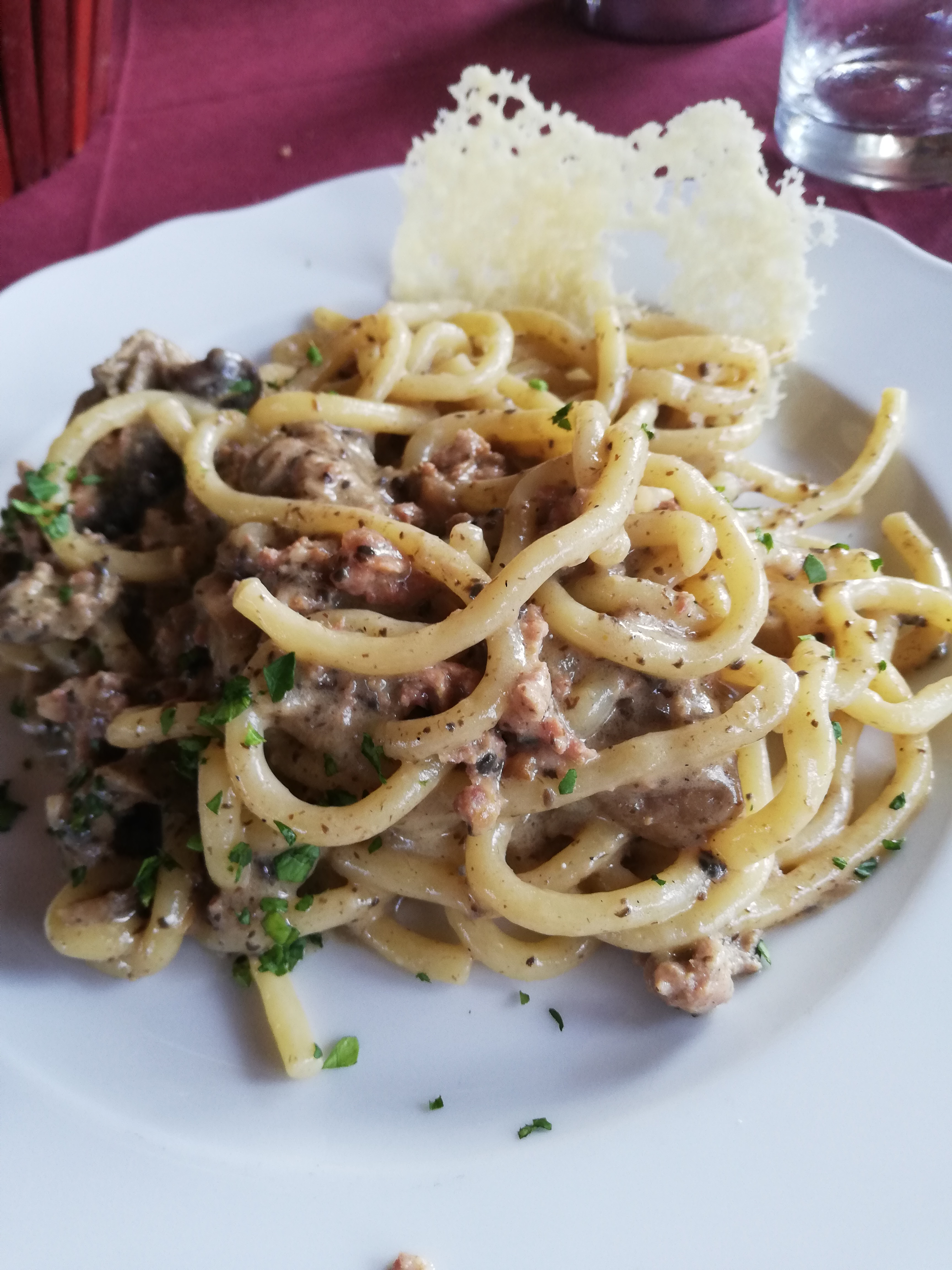
This post is an extra short summary from information got through all the research done by Massimo Alberini, Luca Cesari, the association of Pasta producers and many others. Contact us if interested in a bibliography

Reading about pasta is like reading about centuries of History.
 Toscana Mia Blog
Domenica scorsa un nostro amico ci ha fatto una gricia stupenda. E non è neanche romano…😉😄😄
Buon appetito!
LikeLike
Bellissimo piatto la gricia. Fortunati!
LikeLiked by 1 person