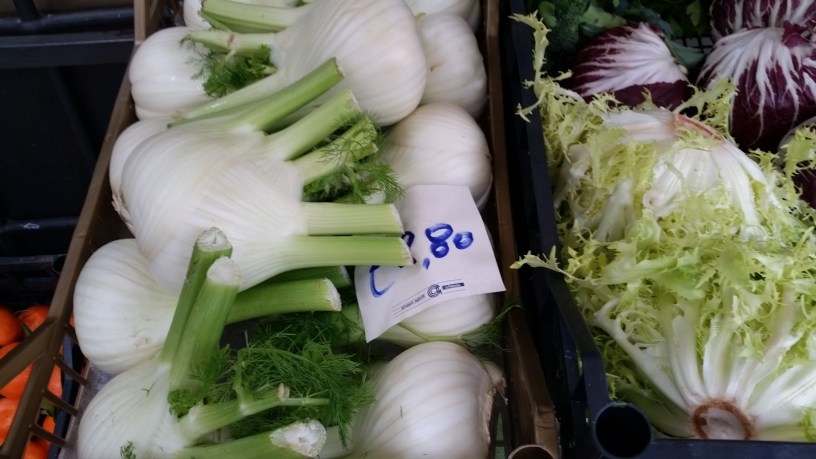

In Italy it is common to eat fennel, a light and healthy vegetable , but it’s better to distinguish before using it.
Fennel is a wild plant and a cultivated vegetable. It means :there are two fennels.
Its scientific name is Foeniculum vulgare and it is native to the Mediterranean where, due to its very aromatic qualities, for centuries it has been used both in cooking and as a natural medicinal remedy.
In Italian we have two words :finocchio and finocchietto, both translated fennel in English. Is there a difference?
Wild fennel,finocchietto in Italian
There are essentially two types of fennel: wild fennel ( known as finocchietto) and cultivated fennel (known as finocchio); despite belonging to the same family, the two types of fennel have a slightly different flavor from each other.
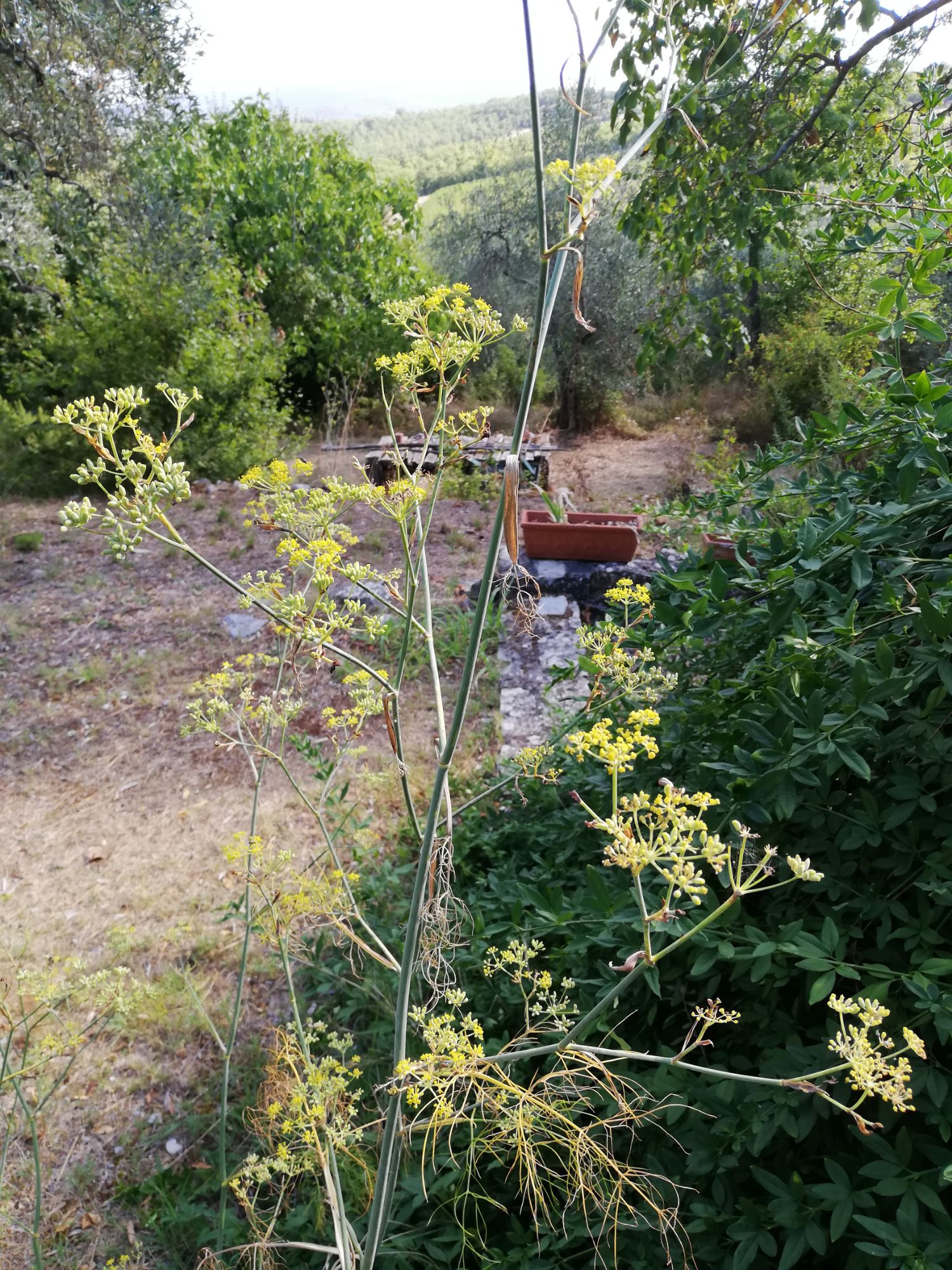
Wild fennel is a spontaneous, perennial plant with a branched stem, up to 2 m(ca. 78 inches) tall. It has leaves that resemble hay, hence the name foeniculum, which are green in color and produces umbels/umbrellas of small yellow flowers in summer.

The fruits (achenes), first green and then greyish are improperly called “seeds”.

Wild fennel is grown for its seeds, which are more aromatic than cultivated fennel and have a strong taste, similar to liquorice.
Harvesting wild fennel
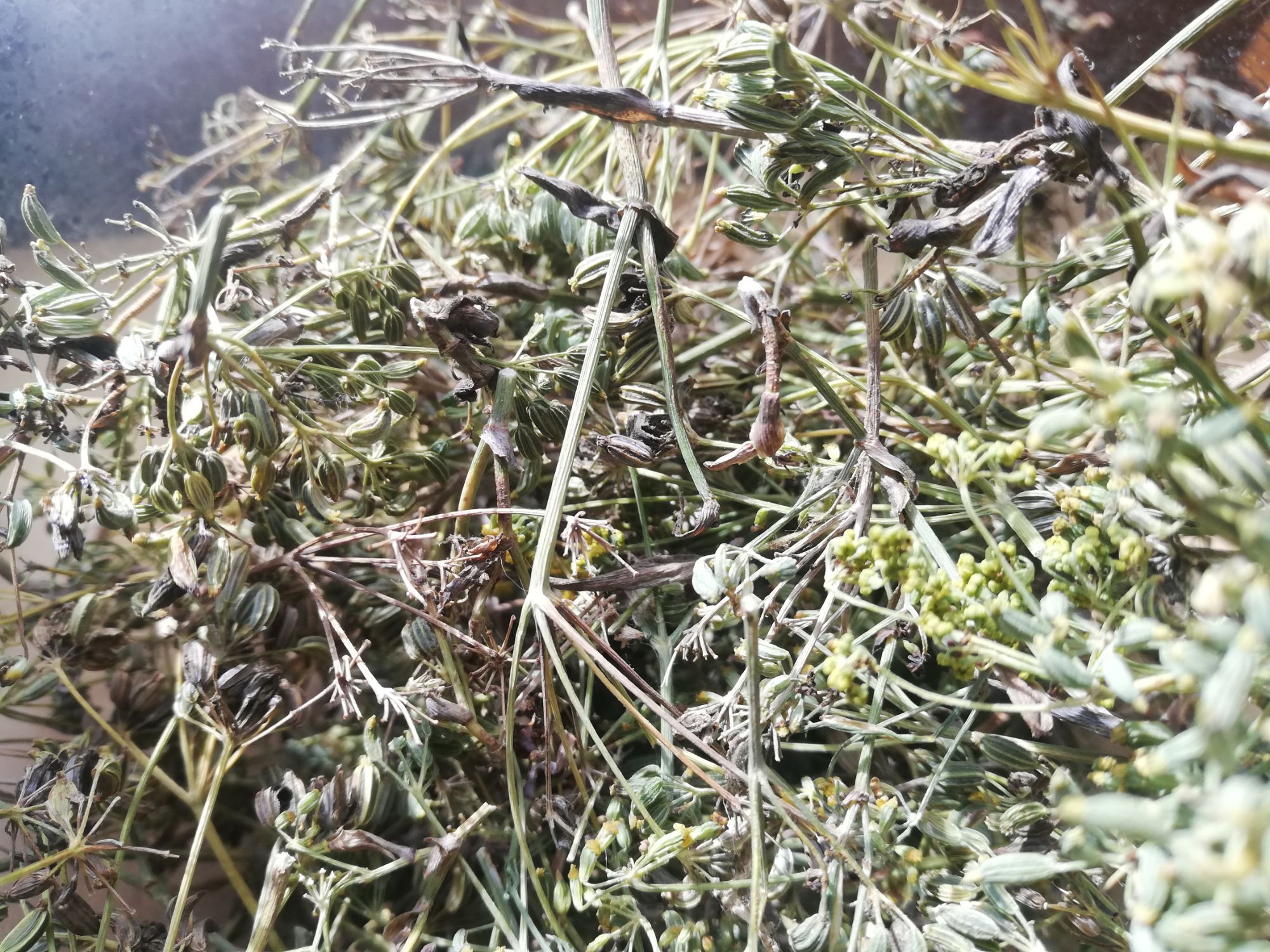
The harvest of the wild fennel flower takes place in Italy as soon as the flower is “open”, normally from mid-August until late September. You can use the fresh flower or you can dry it outdoors and in the light, but away from direct sunlight which would evaporate the essential oils. Diacheni/seeds can be harvested at the beginning of autumn, when the transformation of the flower into fruit has occurred.
Fennel seeds in cooking
Traditional Italian cuisine uses wild fennel leaves, flowers and seeds in various ways and recipes depending on the region, for example to make sauces, to flavor chestnuts or legumes and meat. The fresh, chopped leaves are used to flavor soups, fish dishes, salads and cheeses. In “pasta with sardines”, a well-known Sicilian recipe, wild fennel leaves are one of the essential ingredients.
The “seeds”are used to flavor boiled chestnuts, baked or pan-fried mushrooms, pickled olives and pork. In Tuscany, wild fennel is used to flavor and perfume finocchiona, a salami in which fennel replaces black pepper, as well as its less compact variant, called sbriciolona. The so-called “seeds” are used to flavor tarallini from Puglia and many other cookies/biscuits. They are used in many recipes throughout Italy.
Fennel seeds in herbal medicine
In phytotherapy and folk medicine,its dried fruits or essential oil are used. To give some examples and ideas, which we recommend being checked by doctors or experts:
it helps to eliminate intestinal gas and at the same time prevent its formation; reduce the painful component of irritable bowel syndrome;in breastfeeding because it is a galactophore, meaning it increases milk production.
Against bad breath, and many other occasion.
Linguistic Curiosities
In Italy we use the word “infinocchiare”, in the sense of “swindle, cheat” which derives from the practice of using fennel as an appetizer to deceive the customer’s taste for a poor quality wine or of using its seeds to alter the taste of the bottled wine.
Cultivated Fennel,in Italian finocchio
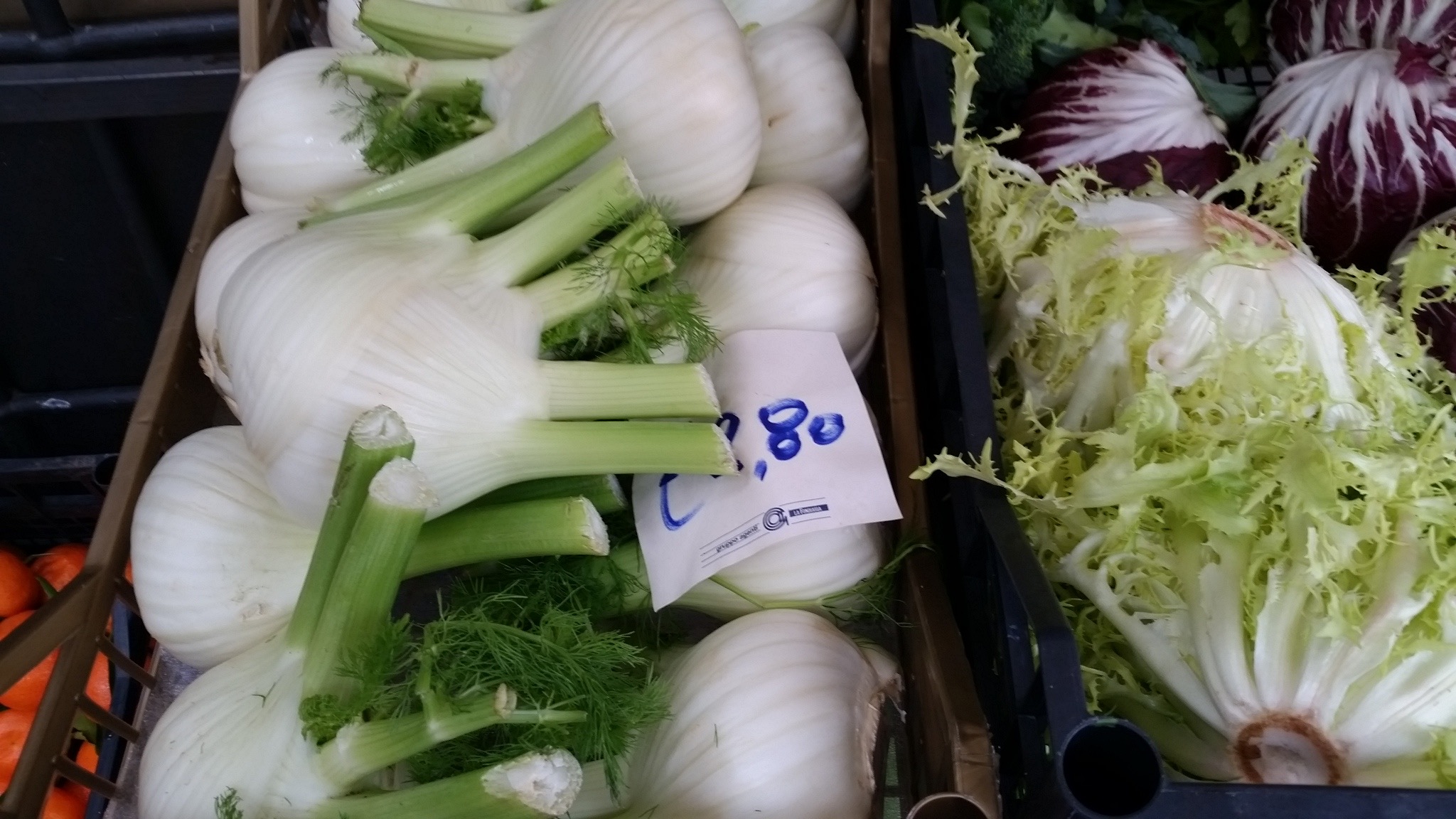
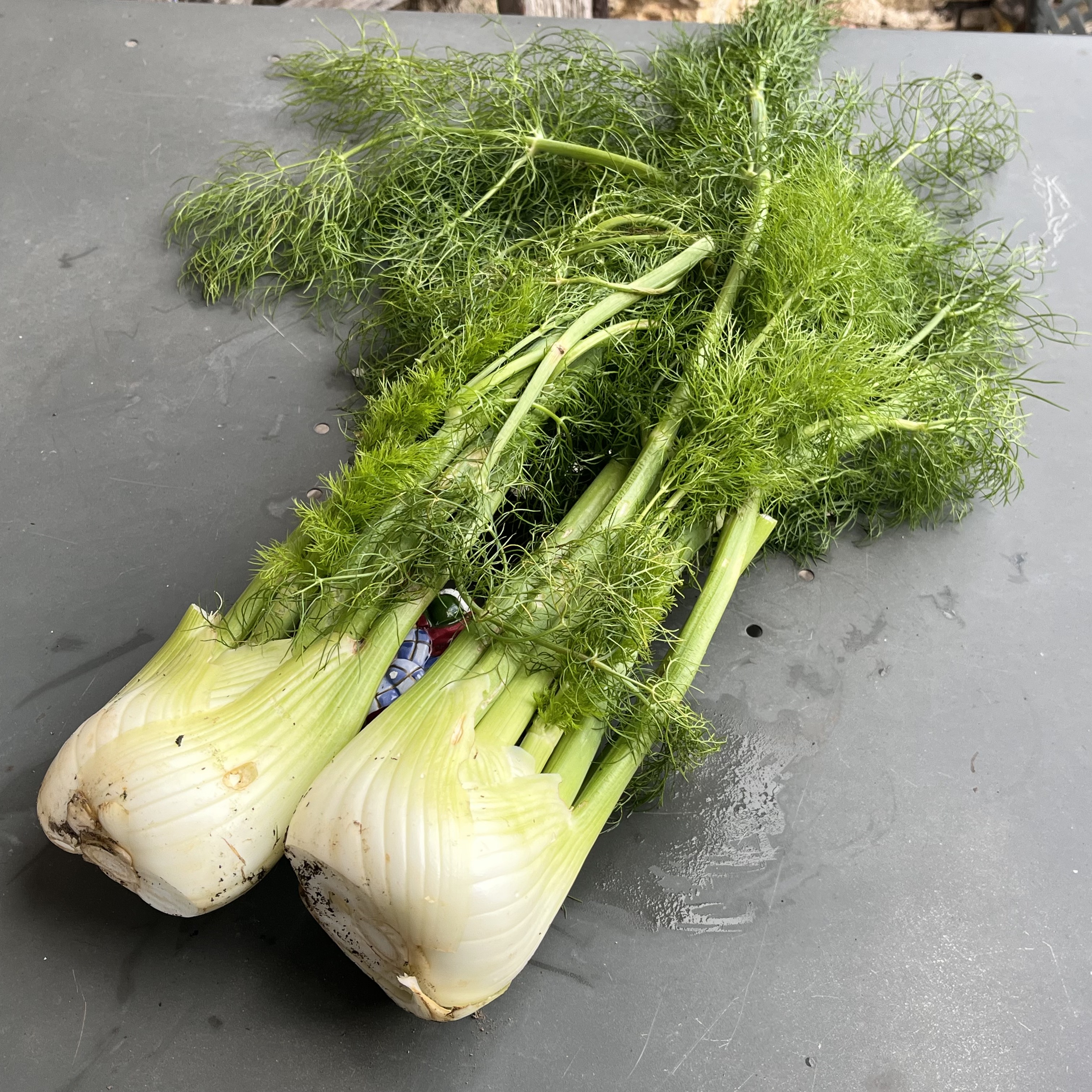
Cultivated fennel, or sweet fennel, is an annual or biennial plant. It reaches 60–80 cm( 23-31 inches) in height. The large white bulb that develops at the base is consumed and offered for sale with short stems and leaves.
Fennel is low in calories but rich in nutrients linked to many health benefits.Many times it’s suggested as a snack for people on a diet.
Male or female ?
This is something that interst mainly gardeners but it’s so part of my country life.I moved to the country from the city and didn’t know very much about gardening.My husband was the one in charge of the garden and vegetable garden .He broke his leg and the first visit at the hospital he told me :”don’t forget to blanch the fennels”.You can imagine my face :no idea what he meant.Anyway since then I became a much more responsible gardener.
The blanching is connected with the fennel sex.
The common distinction between female fennel and male fennel is only formal: the former is elongated and the latter is rounded. The so-called male fennel is more appreciated because it is less fibrous and more fleshy. It is obtained thanks an adequate cultivation technique, called blanching.:the soil must be close to the plants and cover a good part of the growth.
The male fennel has a much more rounded shape and is more full-bodied, while the “female” one has a more elongated and fibrous shape.
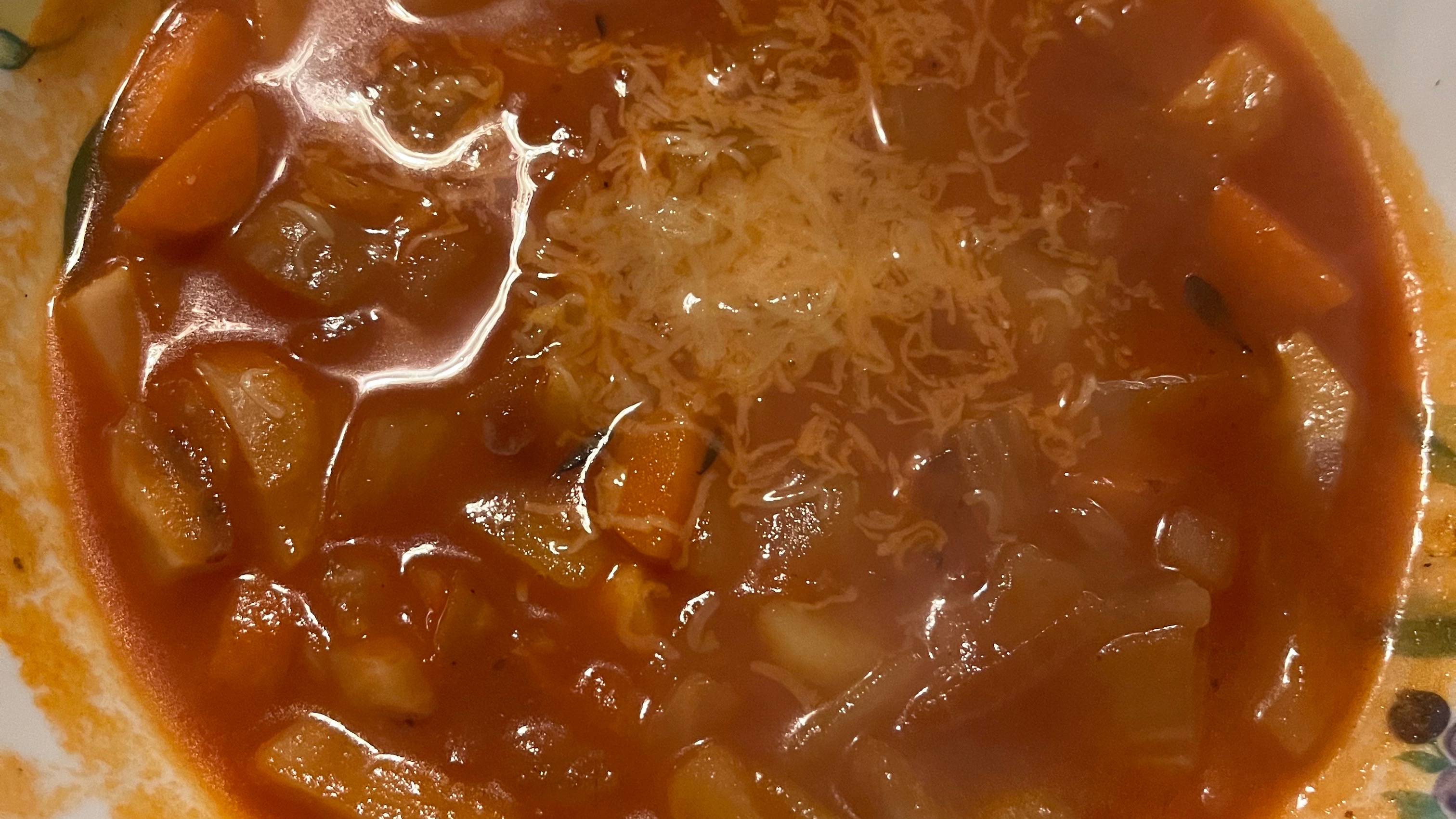
The first is more suitable consumed raw, while the second is better consumed after having cooked it in the oven or in a pan. Below are a few of our preferred dishes with fennel.
and the so called fennel seeds in
Buon appetito !


This article reminds me so much of my grandmother. She always had this on hand. I like the taste too!
LikeLike
So glad reading us you remember your nonna.
LikeLike
Very interesting. I would never have thought that fennel was male/female. I guess at the grocery store I would have to look at them more closely. Thank you for explaining.
LikeLiked by 1 person