

Today we’re focusing on a common problem: pizza dough shrinks in the pan during home preparation. What causes it, and how can you fix it?
There could be many causes: temperature, type of flour, dough-making method, and resting time.
We asked professional pizza chefs for help, and here are some excellent tips.
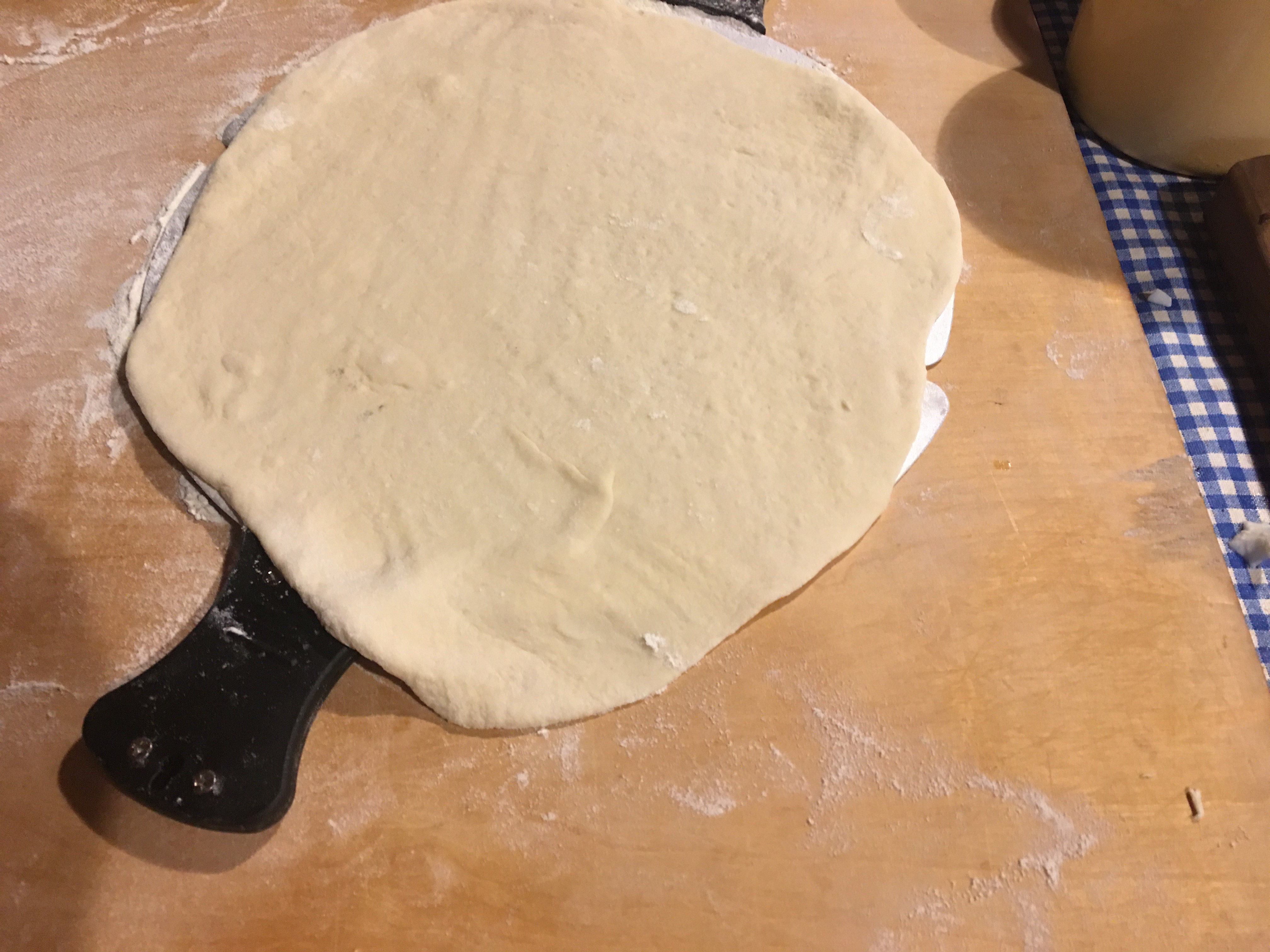
The main culprit behind this effect is gluten. When flour comes into contact with water, the proteins —gliadin and glutenin—combine to form the so-called gluten mesh: a resilient and elastic network, essential for retaining leavening gases and giving the dough its structure. However, just like a rubber band, this network tends to return to its original shape after being stretched. If the dough hasn’t had enough time to relax after rising, or if it has been kneaded too vigorously, the gluten remains contracted and resists stretching, causing the classic shrinkage that discourages so many home pizza makers.
How to prevent pizza from shrinking when rolling it out on a pan
We can summarize the entire process in one word: stress
TEMPERATURE
Temperature plays a key role in stressing dough, both at home and at the professional level. Cold dough, for example, fresh from the refrigerator, has a more rigid gluten structure that is more reactive to stress. It is therefore essential that the dough be brought back to a temperature of at least 21-22°C /69°F-71°F before kneading. Only under these conditions can the gluten relax, reducing its tendency to contract.
TIME
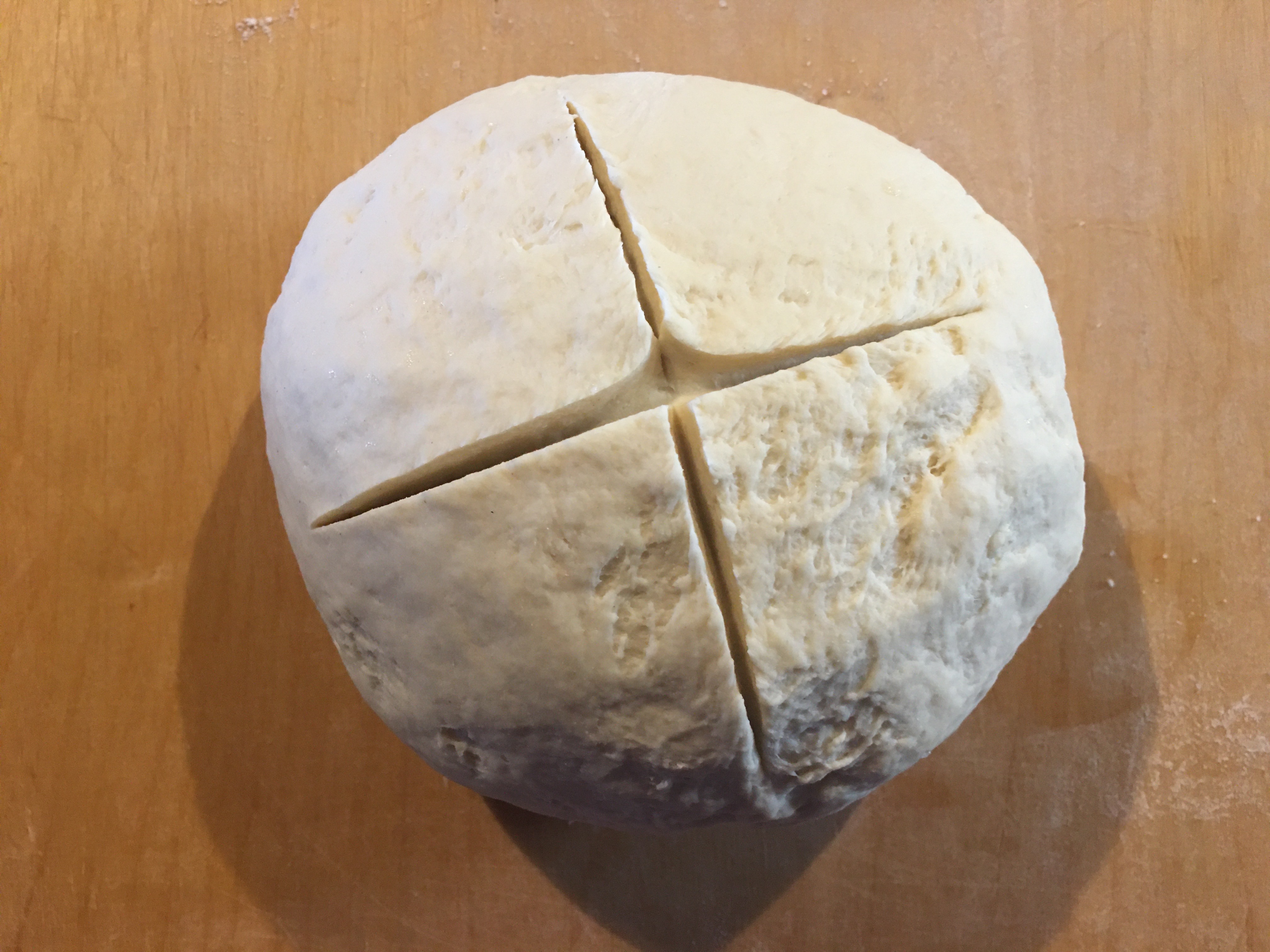
The length of maturation also influences the dough’s behavior. If it’s too short, the gluten network doesn’t have time to relax sufficiently; if it’s too long, the dough risks becoming too soft and difficult to handle.
FLOUR
The optimal balance depends on the flour used, its protein content, and its strength (indicated by the letter W). Flours that are too weak or of poor quality fail to develop a coherent gluten network; flours that are too strong can become too tough if not properly managed.
ROLLING
Rolling technique also plays a role. Homemade doughs should usually be handled delicately, stretching the dough with your fingertips or knuckles, avoiding excessive pressure that could re-activate the gluten network. Avoid imitating the spectacular techniques of professional pizza makers who make traditional Neapolitan dough, which are only suitable for doughs intended for very quick baking in ovens that reach temperatures above 450°C.
HUMIDITY
Humidity also plays a key role: a dough that’s too dry, worked with too little water, develops a more tenacious gluten network that’s prone to shrinkage. For this reason, many contemporary pizza makers favor highly hydrated doughs, which promote a more elastic and less stubborn network during rolling.
If, despite these precautions, your dough continues to shrink, we recommend letting it rest for 10-15 minutes before rolling it out again. This brief interval allows the gluten to relax further, facilitating stretching without contractions.
Happy pizza, everyone!

 Toscana Mia Blog