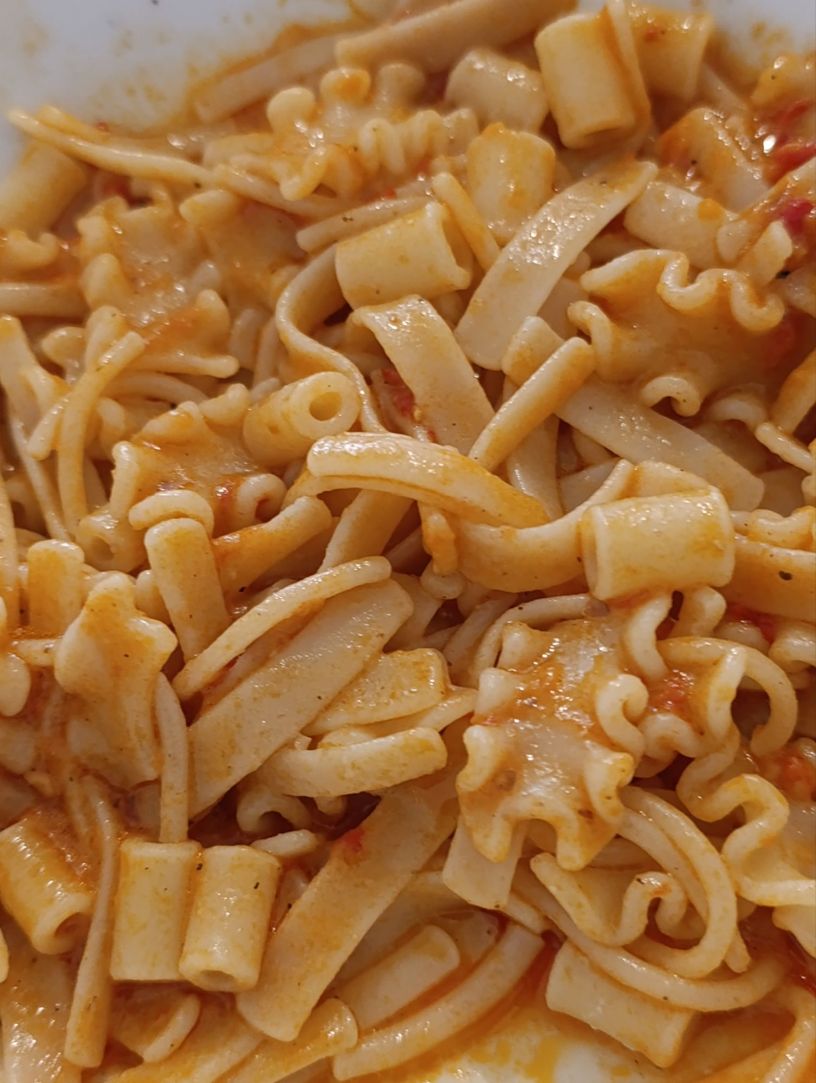
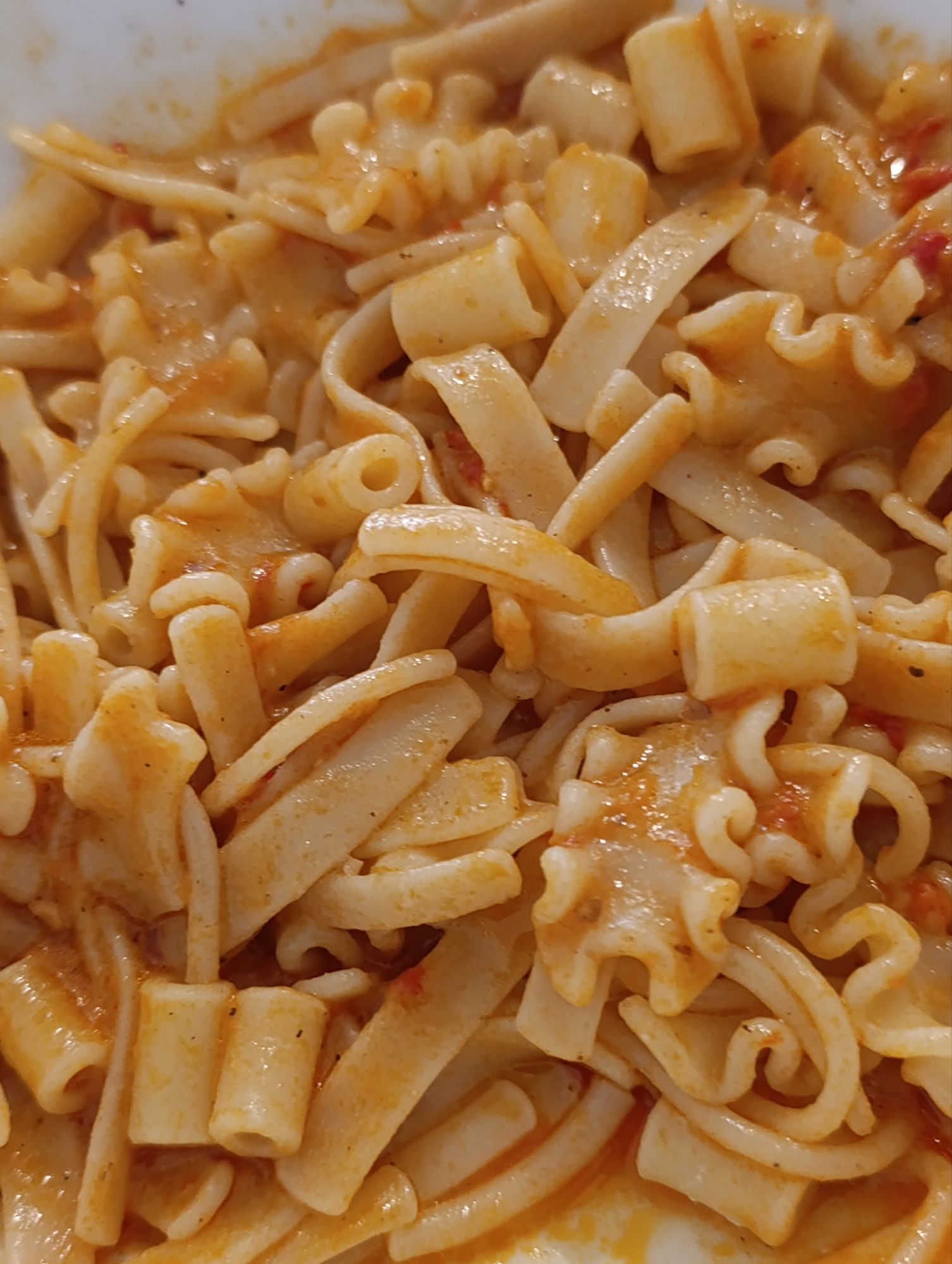
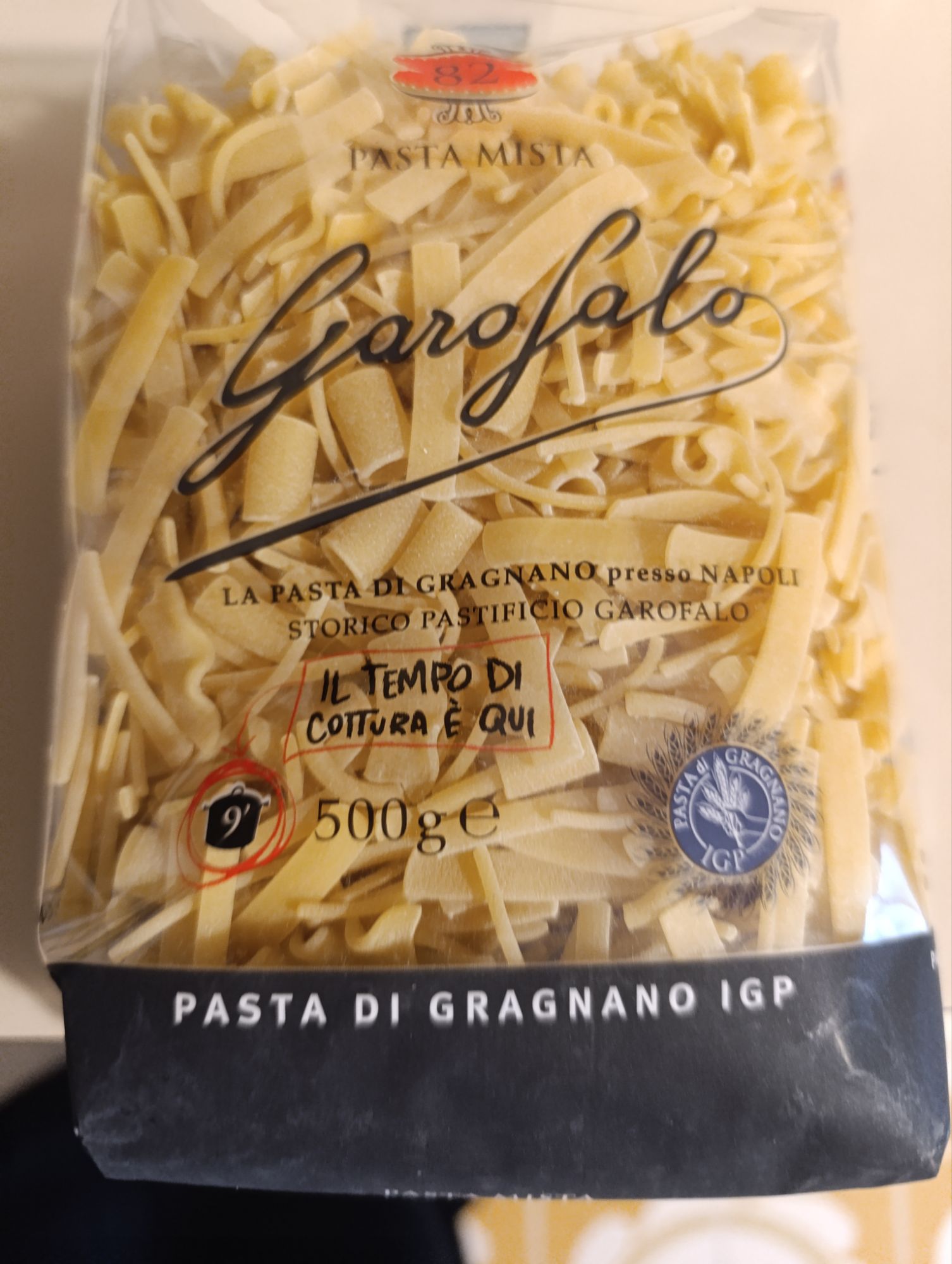
La Pasta Mista -Mixed pasta is a symbol of Italian cuisine, even though its popularity varies greatly between the North and the South. Although today it is sold as a specific format by big brands like Barilla,Rummo, De Cecco and Garofalo, its history is rooted in southern popular ingenuity.
Mixed pasta, a classic of Campania cuisine, is a mix of various short and long broken pasta shapes, born from the creative repurposing of leftovers. It’s perfect for soups, broths, and hearty dishes, including classic pasta and potatoes with provola cheese or pasta and beans, which create a creamy consistency thanks to the different cooking times.
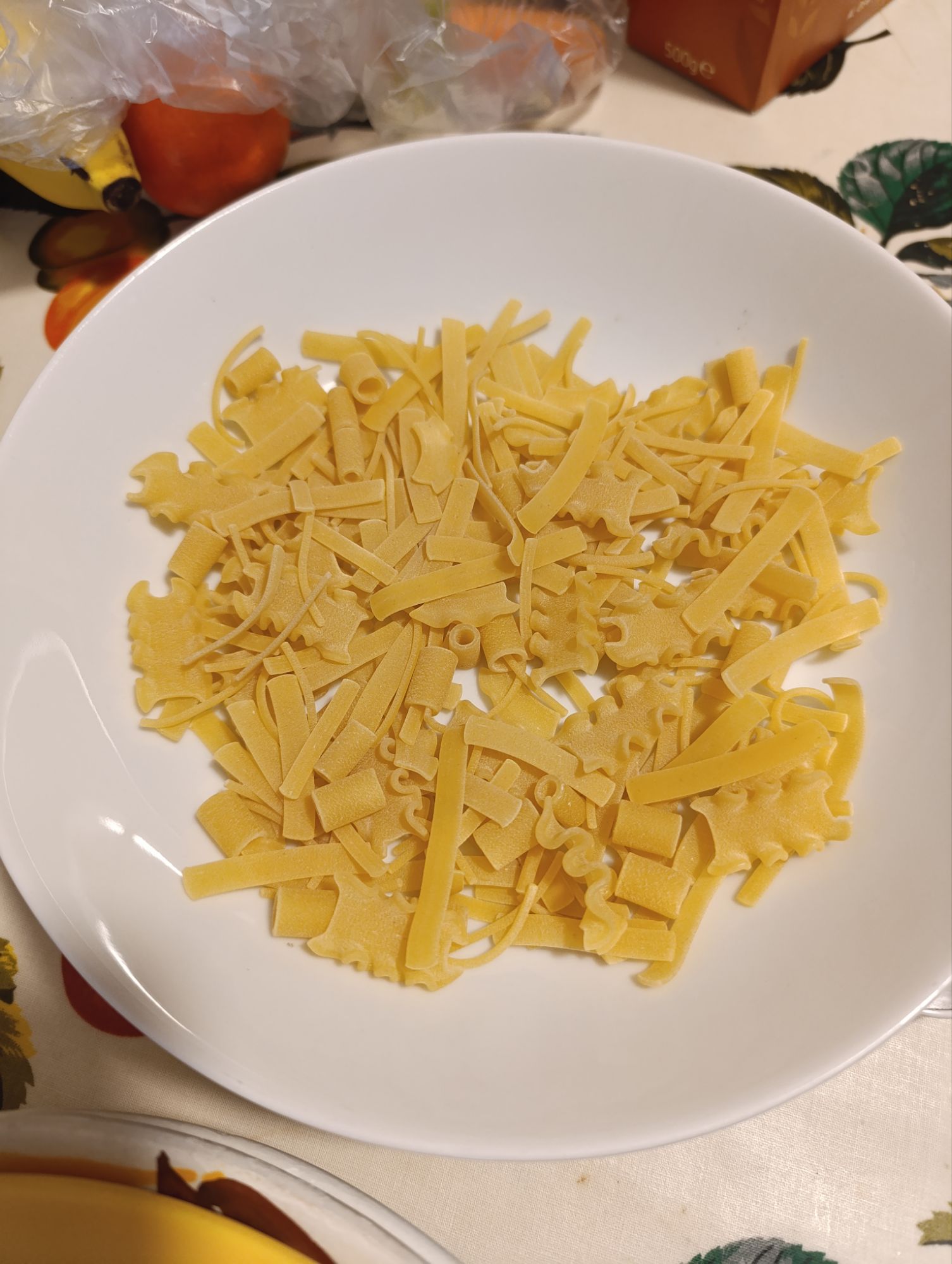
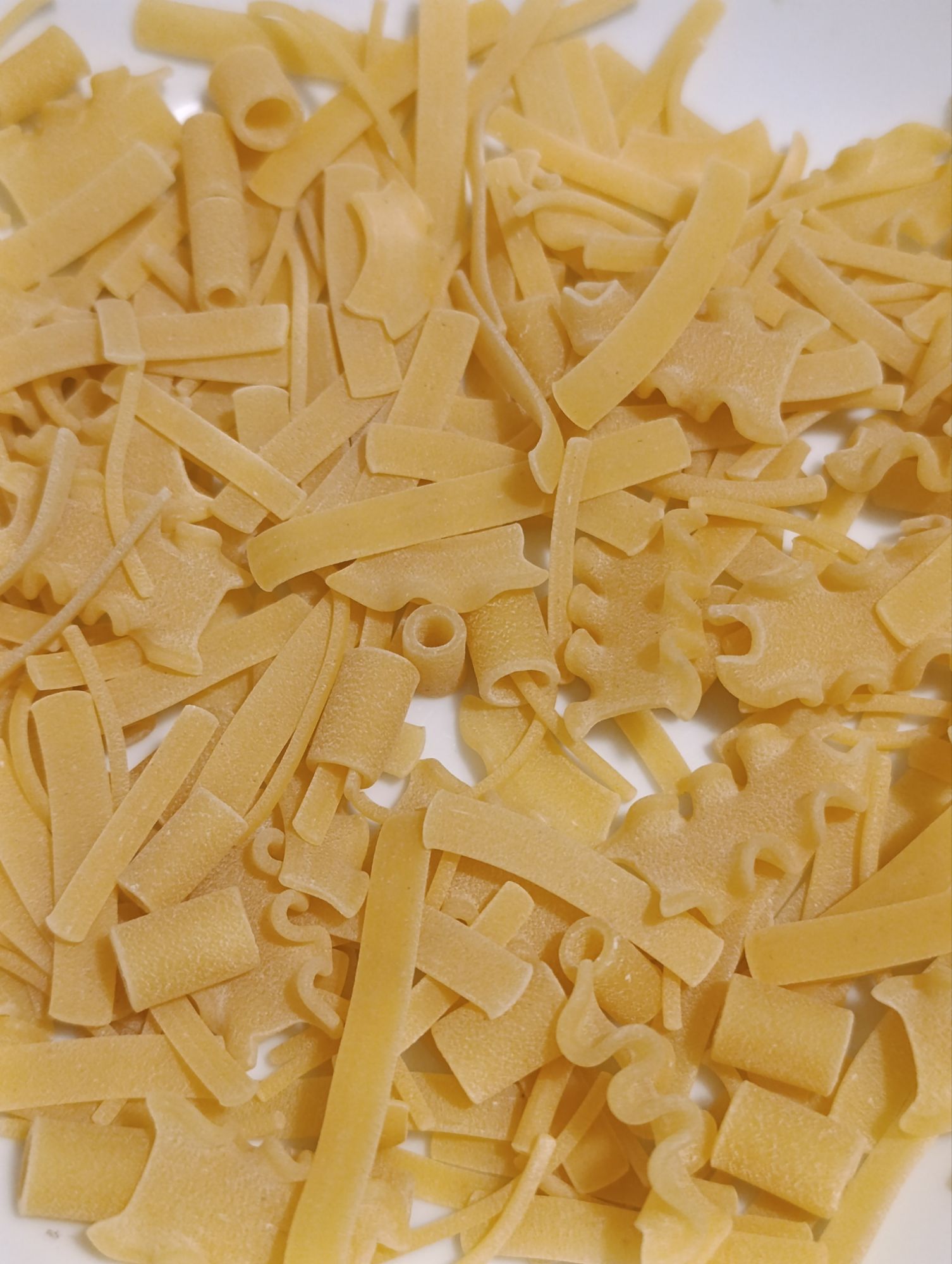
It often includes broken spaghetti, tubetti, ziti, ditalini, and maltagliati, mixed together.
Origin of this zero waste pasta
La Pasta Mista has an unusual shape, a bit mixed, which has the peculiarity of not cooking evenly.
The peculiarity lies in the origins of mixed pasta.
In the early days of pasta production, there were no individual packages available for purchase. Pasta was sold loose, by the baker, pasta maker, or grocer, who would bag the desired quantity from large sacks.
A practical problem was product breakage. If the pasta rubs or bangs, it breaks. When it was placed in a large sack, this was normal. During transport, the sack would be knocked around, causing the most damaged pieces to fall to the bottom.
When the end was reached, no one would pay full price for a completely broken piece of pasta. This leftover from the sack was transferred to another sack and the name “Pasta mista” was written on it, obviously using the local name for each place, therefore in dialect. This sack had a discounted price.
This was the case from the 1600s to the 1960s, when individual packets were introduced on a large scale. This avoided waste. Each region and city has its own history, and this pasta has as many names as there are dialects. The most famous case is Naples, where the connection with pasta is very close and rooted in tradition. Pasta “ammiscata” or meschiafrancesca” is a tradition.
How to use La Pasta Mista
Mixed pasta requires a substantial sauce; the mix of different types leads to a mix of cooking times—overcooked, al dente, all at once. This format is effectively a testament to the commercial and social value of pasta, where even defective pasta couldn’t be thrown away.
The problem of breakages was later solved, but the population was fond of the format, and so some brands reintroduced La Pasta Mista /mixed pasta. Now the different shapes aren’t broken, but simply mixed together.
Mixed pasta often includes broken spaghetti, tubetti, ziti, ditalini, and maltagliati, mixed together.
Classic Recipes Perfect with Mixed Pasta
Pasta and Potatoes: Often prepared with smoked provola cheese, guanciale, and celery/carrot/onion. A simple recipe is featured in our post.
Pasta and Beans: Traditionally cooked directly with legumes.
Pasta and Cabbage, Chickpeas and Lupins, or mixed legume soups.
Pasta and Fish,perfect even with mussels
A typical example of zero waste in Italian culinary culture.
 Toscana Mia Blog