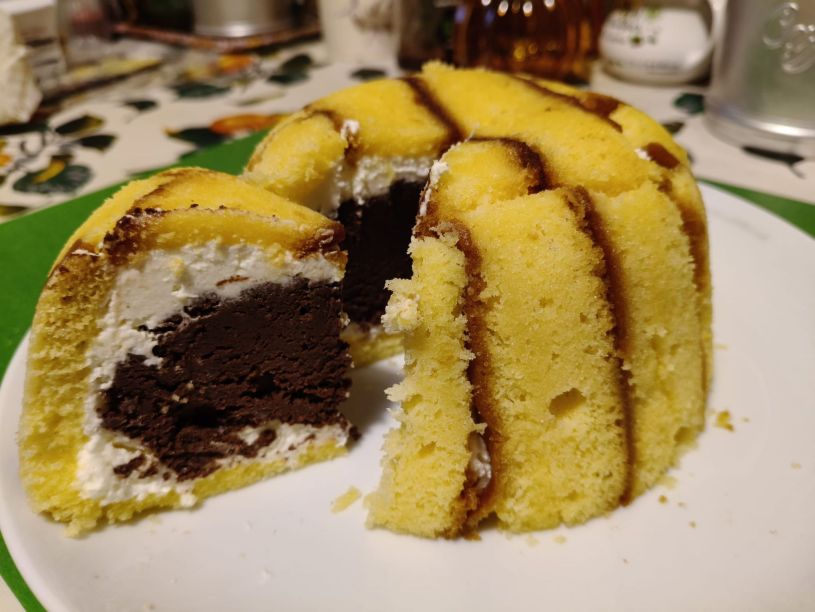
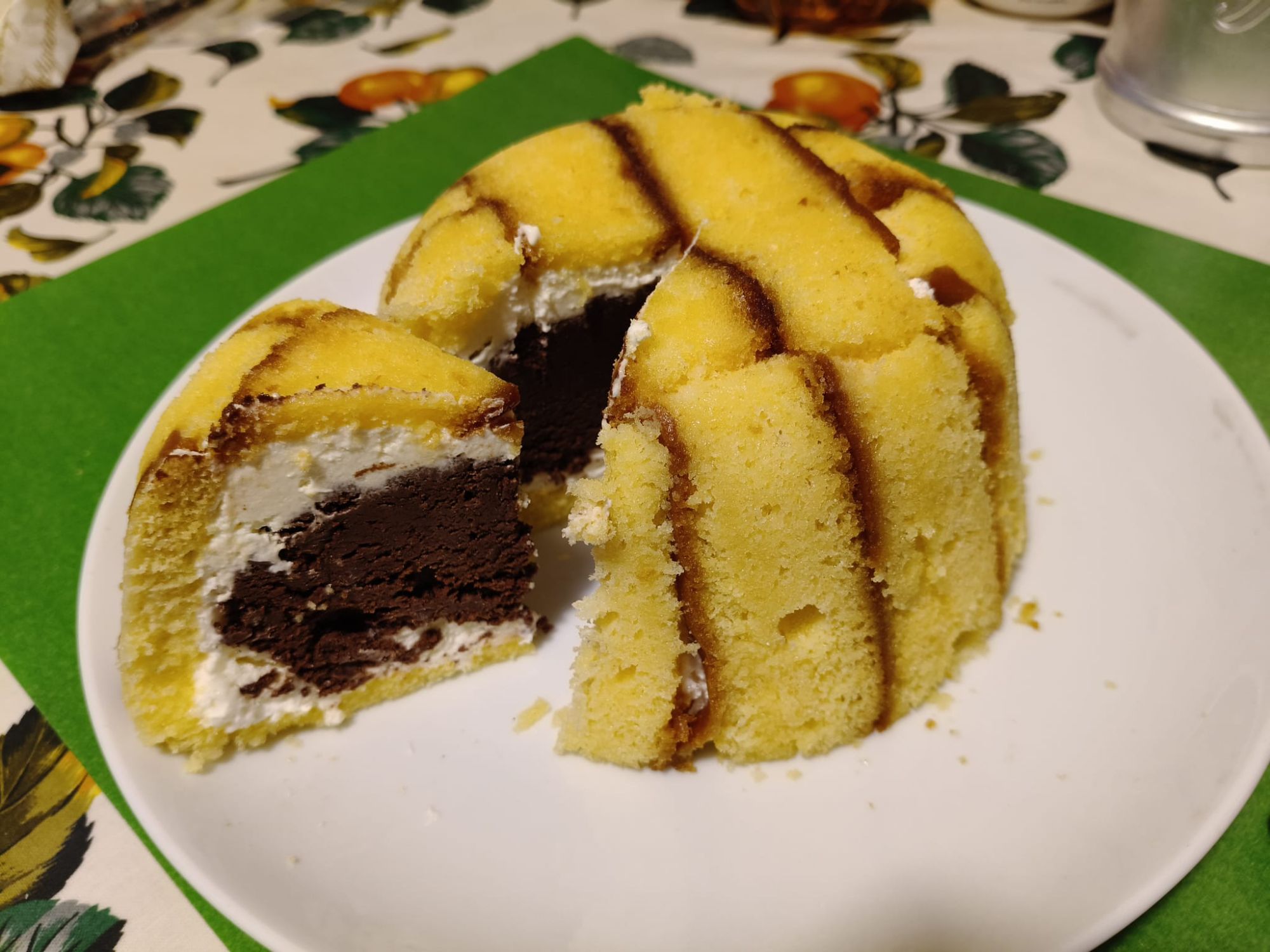
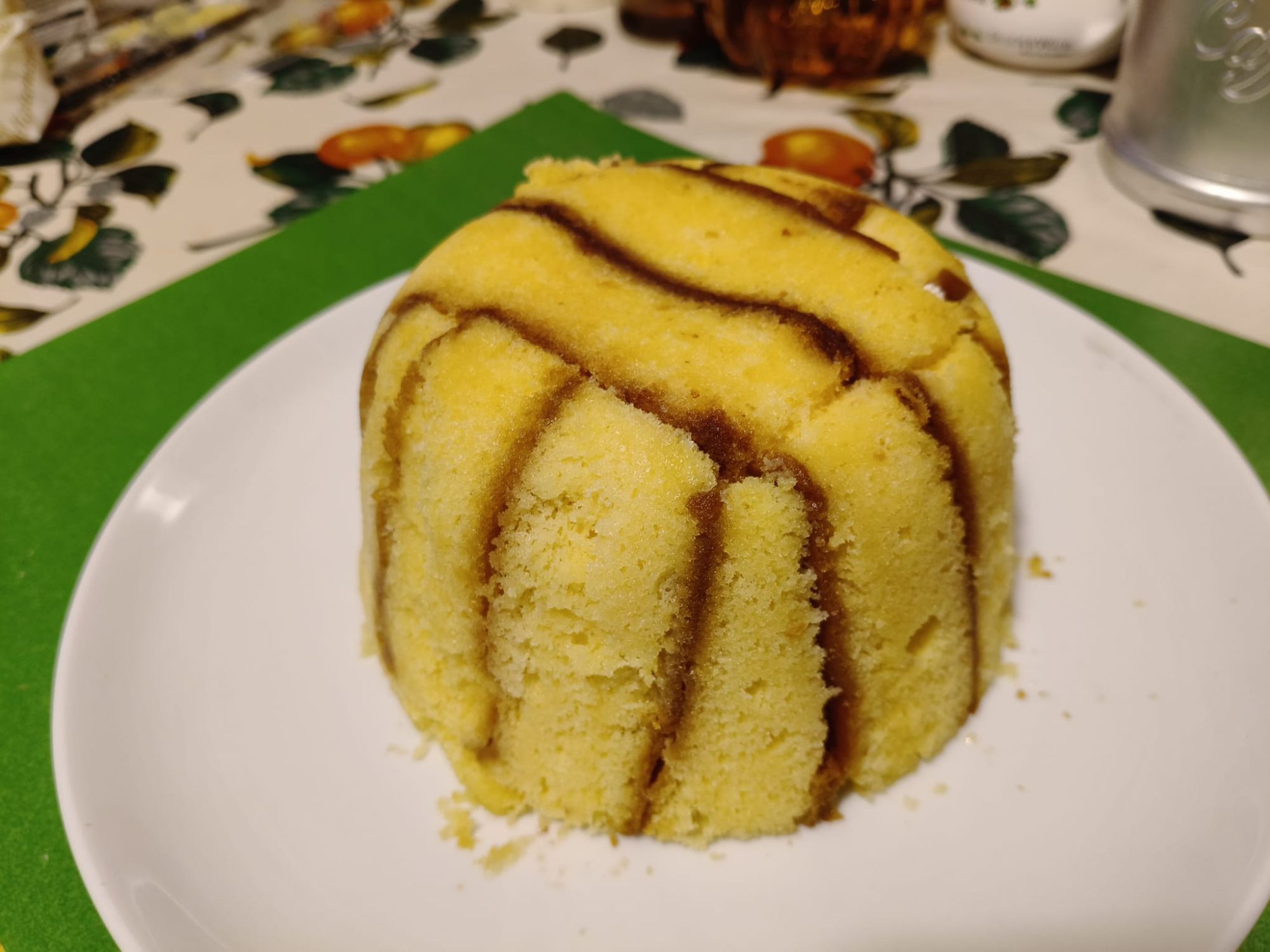
Zuccotto is a typical traditional dessert from Florence, which perhaps has been served less in recent years. I don’t understand why considering that it can be served with so many flavors and so many different decorations.
It is easily found made of Pan di Spagna/sponge cake and gelato even if it was originally filled with ricotta.
It is possible to find it with sponge cake soaked in rum or alchermes, a liqueur traditionally used to flavor and color desserts.
HISTORY
Its origins date back to an invention by Bernardo Buontalenti for one of the banquets of the Medici family. Buontalenti who we have already mentioned for the creation of gelato
Originally known as “Caterina’s Helmet”, it was characterized by ingredients that were totally different from those that distinguish the modern version. The original recipe in fact called for the use of ricotta, cocoa nibs and citrus peel for the internal filling, with a predominantly monochromatic white appearance, while the external covering was flavored with alchermes which gave it a bright red color
NAME
Zuccotto seems to have taken its name from the headgear, called zuccotto, used by the artillery forces, a kind of helmet inside which Buontalenti would have created his dessert. And, to confirm this, it is said that its first name was “helmet of Caterina” the great queen of France of the Medici family who exported many dishes of Tuscan cuisine there.
Another version, perhaps more reliable, is that the name referred, due to the use of red Alkermes, with which the sponge cake was soaked, to the headgear of the high prelates called zuccotto.
And we repeat, a semifreddo and not a gelato, because gelato, as we understand them today, did not exist at that time.
FOR THE FILLING
ricotta 250 gr.= 1 US cup
fresh cream 250 gr.=1 US cup
dark chocolate 70 gr.=5/8 cup
icing sugar 70 gr.=5/8 cup
granulated sugar 70 gr.=5/8 cup g ricotta
1 tbsp candied cherries (optional)
1 tbsp candied citron (optional)
1 tbsp alchermes
1 tbsp orange liqueur
2 tbsp cocoa
rum
cognac
Procedure
FOR THE SPONGE CAKE
Step 1.
beat the egg yolks in with the sugar. Add the flour, continuing to mix. Stiffly whisk the egg whites and fold them into the mixture.
Step 2.
Pour it into a buttered and floured springform pan (ø 22 cm= 8 inches ) and bake at 180 °C /350°F for 20-30 minutes. Remove the sponge cake from the oven, remove it from the pan and let it cool for at least 1 hour (ideally prepare it the day before).
FOR THE FILLING
Step 3
Heat the cocoa with the granulated sugar, 1tbsp of rum, 1 tbsp Cognac and 1tbsp water. Cook for about 10 minutes, until you obtain a syrup. Turn off the heat and let it cool completely.
Step 4
Work the ricotta with the icing sugar/confectioners’ sugar, mixing it with a whisk. Whip the cream and fold it into the ricotta.
Step 5
Chop the candied fruit and chocolate. Mix 1/3 of the ricotta mixture with the cocoa syrup. Fold the candied fruit and chocolate into the remaining mixture.
Step 6
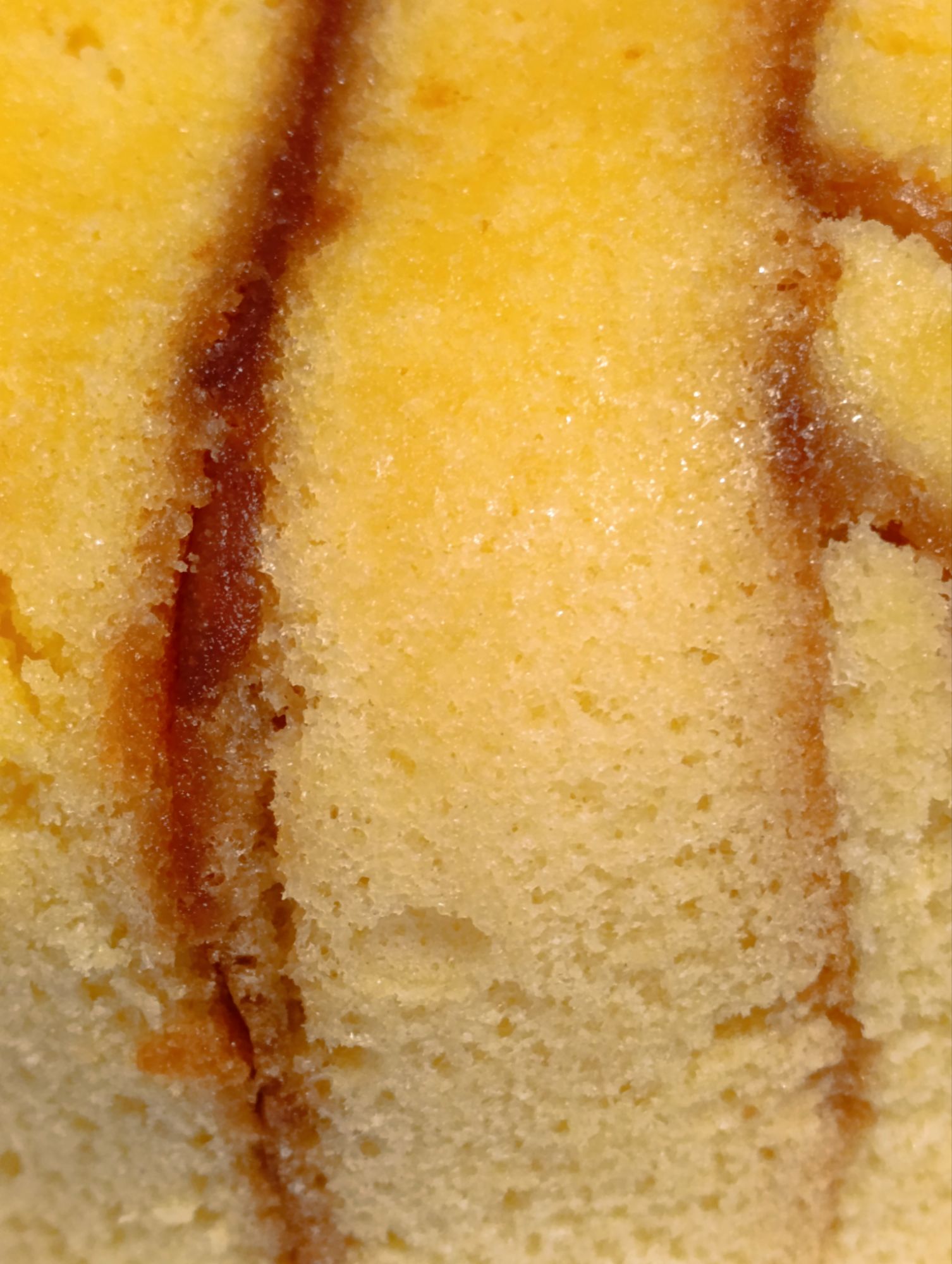
Cut the sponge cake into rectangular slices 1.5 cm=0,5 inches thick, parallel to the diameter. Divide them along the diagonal to obtain triangles.
Step 7
Place them with the tip in the center of a hemispherical mold (capacity 1 liter= 4 cups ) lined with film to make extraction easier, in a radial pattern, until the entire surface is covered: if there are any empty areas, fill them with scraps of sponge cake. Trim the edges.
Step 8
Mix the alchermes with the orange liqueur and brush the sponge cake generously with it.
Step 9
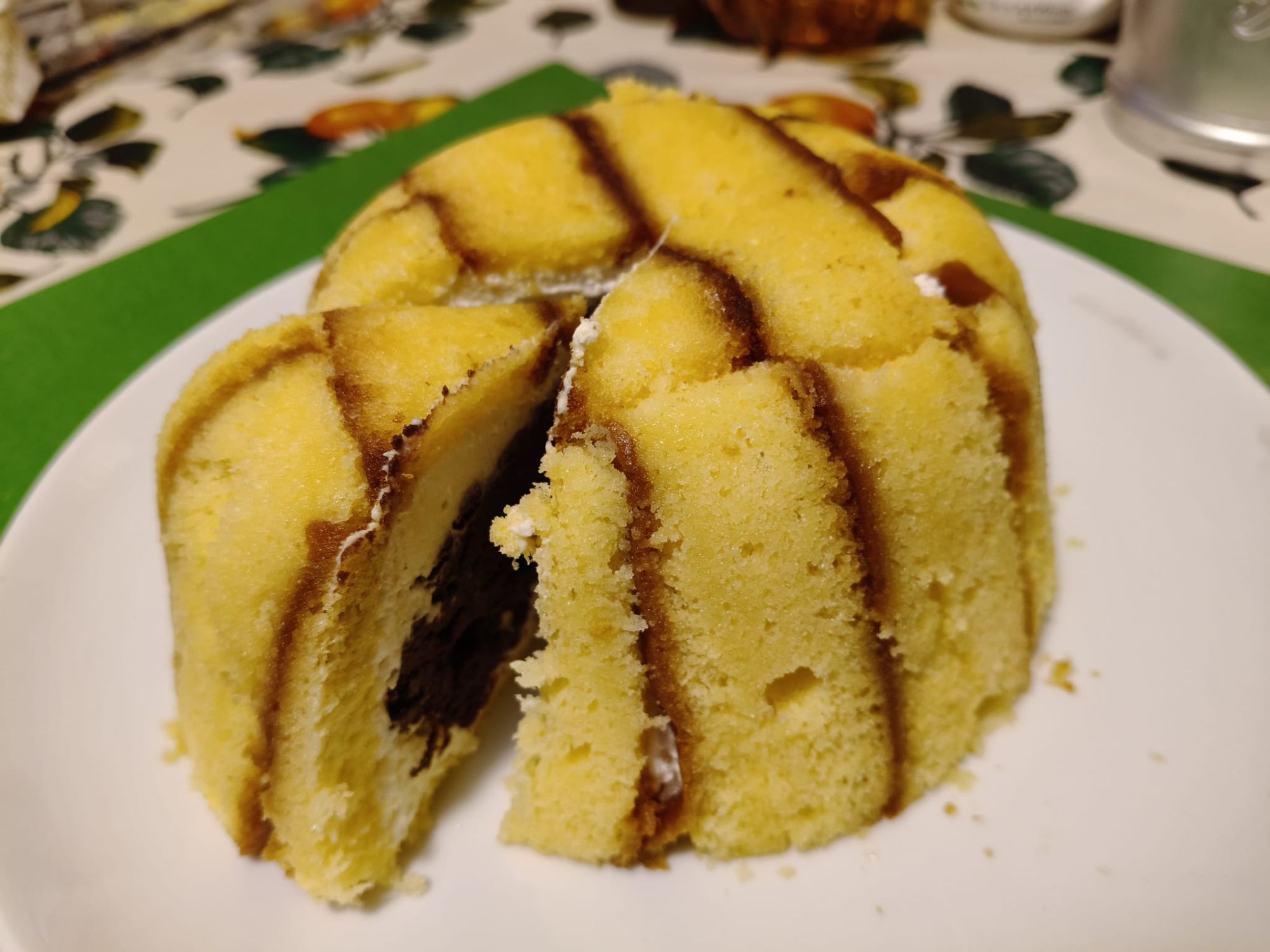
Fill the zuccotto first with the candied fruit filling, then with the cocoa filling. Close with a layer of sponge cake slices, then place the zuccotto in the freezer for at least 4 hours. It is left to rest in the freezer on a plate at a negative temperature, around -15°C=5°F. If your freezer freezes at lower temperatures, put the semifreddo in the refrigerator or leave it at room temperature for a while before serving.
Semifreddo and not gelato!! !
Why semifreddo doesn’t freeze
So, what is the secret of semifreddo? How does it manage to “resist” the cold and not become a block of ice? The answer is simple: sugar. Yes, you read that right: sugar not only has the task of sweetening the semifreddo but also acts as an antifreeze, thus ensuring the other ingredients have the stability necessary to not freeze. Depending on the type of semifreddo, sugar will be added in different forms and at different times, beaten together with eggs or cooked in water until it becomes syrup. Sugar but not only, even alcohol (when present), contributes to lowering the freezing temperature, preventing the formation of ice crystals.
 Toscana Mia Blog