

CECI CHICKPEAS: RECIPES FOR THESE CARBOHYDRATES AND PROTEIN
When discussing the countless ingredients we’d like to use , we easily tend to classify foods into clear-cut categories—for example, proteins or carbohydrates. We like to be able to say, “This is a carbohydrate, that is a protein,” as if every food could be defined by a single label.
But chickpeas, like all legumes, escape this reductive logic.
They are a complex, complete food that cannot be contained in a single definition. Yes, they provide complex carbohydrates, but they also provide a significant amount of protein, abundant fiber, B vitamins, minerals, and phytocompounds with beneficial properties.
This richness makes them a true “nutritional hybrid,” capable of providing energy, supporting muscle mass, and contributing to metabolic and intestinal health. It’s a mistake to consider them only a source of carbohydrates, just as it would be equally misleading to label them only as proteins.
And it is precisely this complexity that makes them so precious for our health.
WHAT DO CHICKPEAS CONTAIN?
According to CREA (Council for Agricultural Research and Economics)tables, dried chickpeas contain (values per 100 g=2/5 CUP ).
• 51% of carbohydrates
• 24 % of protein
• approximately 17 % of lipids
• and almost 8% of fiber
As with all legumes, their proteins are “incomplete.”
Proteins are made up of smaller units called amino acids. Some of these amino acids are called essential because our body is unable to produce them on its own: we must consume them through our diet. To function optimally, the body not only needs all of them, but also in adequate proportions.
Legumes, like chickpeas, contain all the essential amino acids, but not in the ideal proportions for optimal protein synthesis. In particular, they are relatively low in methionine.
And this is where dietary complementarity comes into play. Whole grains (such as rice, spelt, and oats), which are rich in methionine but low in lysine (which legumes abound in), combine perfectly with legumes, compensating for each other’s deficiencies.
This principle is the basis of the Mediterranean diet, which has always featured dishes that combine grains and legumes: pasta and beans, rice and peas, bread and chickpeas, couscous and lentils… The ideal proportions are, very roughly, two parts grains to one part legumes, but it’s not at all necessary to weigh everything: variety and common sense suffice.
And incidentally, you don’t even need to consume them at the same meal: our body is perfectly capable of “summarizing” the amino acids throughout the day.
And for this reason, we offer some of the many chickpea recipes that are traditional in Italian cuisine.
A traditional chickpea and savoy cabbage soup link here

A quick and healthy snack:roasted chickpeas click here

A fresh summer dish :Italian chickpea salad recipe here
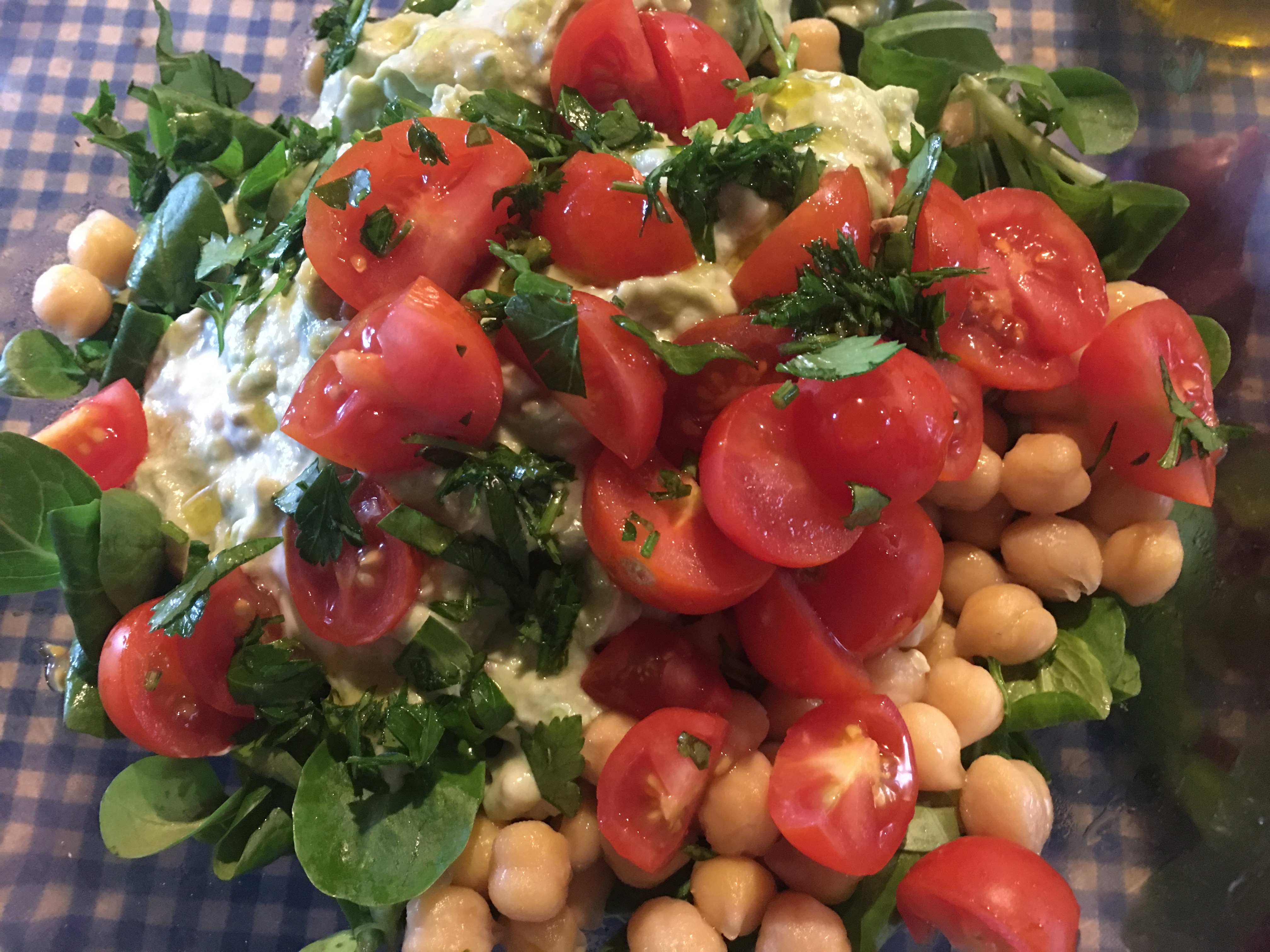
Chickpea burger: a tasty vegetarian dish recipe here

Chickpeas with Cod,recipe here
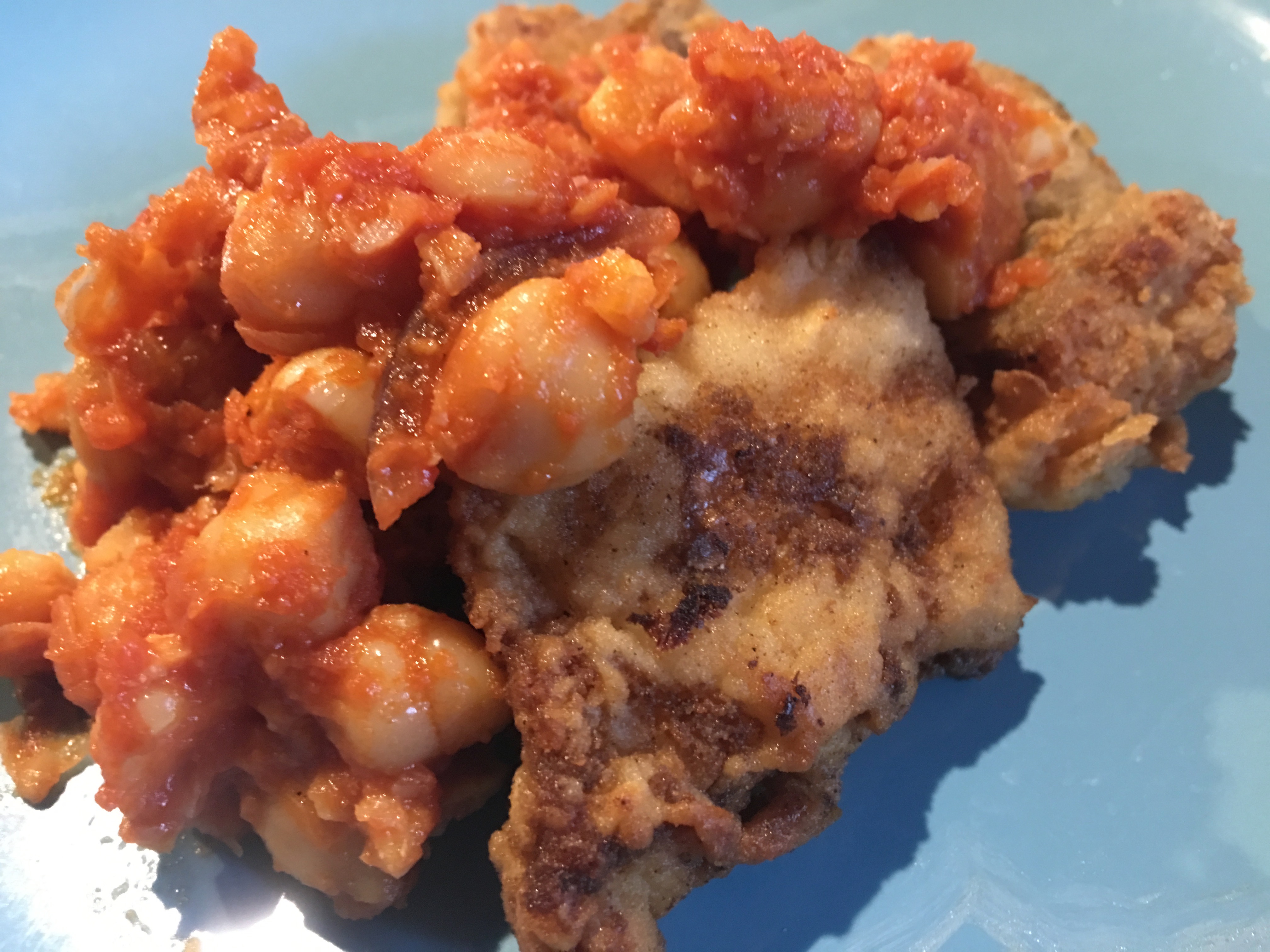
Just a few recipes to see how it’s easy to mix chickpeas with many other ingredients and change
These 5 recipes are a great introduction to the world of legumes, so easy to combine with other ingredients to create different dishes for all tastes and occasions.


Your post is timely. I was just thinking of chick peas yesterday, I really like them. Thank you for sharing your recipes.
LikeLike
Always glad to be useful 🙏🏻
LikeLiked by 1 person